
Health & Fitness News

PAy as you go
At Gary Fillery Personal Training, we understand that life can be unpredictable, and committing to long-term fitness plans can be daunting. That’s why we’re excited to introduce our new Pay-As-You-Go pricing structure!
Welcome to a Flexible Fitness Future!
At Gary Fillery Personal Training, I understand that life can be unpredictable, and committing to long-term fitness plans can be daunting. That’s why we’re excited to introduce our new Pay-As-You-Go pricing structure! Designed with your flexibility in mind, this plan allows you to tailor your fitness journey to your schedule and needs without any long-term commitments.

How It Works
Our Pay-As-You-Go structure is simple and straightforward:
Book a Session: Choose the time and location that works best for you. Whether it’s a quick lunchtime workout or a weekend fitness blast, you have the freedom to pick when you train.
Pay Per Session: No need to worry about upfront payments or monthly fees. You only pay for the sessions you attend. It’s fitness on your terms!
Stay Flexible: Life happens! If you need to cancel or reschedule, just let us know at least 24 hours in advance. We aim to be as flexible as you need to be.
No Commitments: Perfect for those with busy or unpredictable schedules.
Cost-Effective: Only pay for the sessions you use.
Personalised Training: Get the same personalized attention and tailored workouts without the pressure of a contract.
Flexible Scheduling: Easily fit your workouts into your lifestyle.
Ready to Get Started?
Join the fitness revolution with our Pay-As-You-Go plan and take control of your fitness journey today. To book a session or learn more, contact me. Your flexible fitness future starts now!
Click Here to book your PAYG PT session

The Allure of Trail Running
Trail running is not just a change of scenery; it's a change in philosophy. Unlike road running, which often emphasizes speed and distance, trail running is about adapting to the environment, navigating uneven terrain, and embracing the unpredictability of nature.
A New Chapter in My Fitness Journey
As a fitness enthusiast with a deep-seated passion for outdoor activities, I have always been drawn to the idea of pushing my limits in nature. My journey through the world of fitness has taken many forms, from intense gym sessions to invigorating paddle-boarding trips. Among these, road running once stood out as a regular part of my routine. However, as the miles stacked up and the wear and tear on my joints became all too apparent, I found myself in search of a more forgiving and fulfilling alternative. Enter trail running—a perfect blend of physical challenge and natural exploration that not only eases the impact on my body but also offers an exciting new avenue for achieving my fitness goals, including weight loss.
The Road That Led to the Trails
My history with road running is a familiar tale for many fitness enthusiasts. The open road, the rhythmic pounding of feet on pavement, and the satisfaction of ticking off miles are aspects that many runners cherish. For me, road running was a straightforward way to maintain cardiovascular health, build endurance, and manage stress. However, over time, the repetitive impact on hard surfaces began to take a toll on my joints. Knees, ankles, and hips—areas that bear the brunt of each stride—started to send signals that something needed to change. The pain, while not debilitating, was a constant reminder that my body wasn't as invincible as I'd like to believe.
Despite this, the idea of giving up running entirely was never an option. The physical and mental benefits were too significant to abandon. That’s when I started to explore alternatives and stumbled upon trail running—a form of running that takes place on natural terrain, offering a whole new world of experiences and benefits.

Why Trail Running?
Trail running is not just a change of scenery; it's a change in philosophy. Unlike road running, which often emphasises speed and distance, trail running is about adapting to the environment, navigating uneven terrain, and embracing the unpredictability of nature. The trails offer softer surfaces—dirt, grass, and sometimes sand—that are far gentler on the joints compared to the relentless hardness of asphalt or concrete. This reduction in impact was a primary factor in my decision to transition to trail running, as it promised to alleviate the strain on my joints while still allowing me to enjoy the running experience.
A Low-Impact Workout
One of the standout benefits of trail running is the reduced impact on the body. The uneven, softer surfaces of trails absorb more shock than pavement, which translates to less stress on the knees, hips, and back. This aspect of trail running has been a game-changer for me. The relief from joint pain has been palpable, and I can now run longer distances without the nagging fear of aggravating old injuries. The varying terrain also forces the body to engage stabilizing muscles that are often neglected during road running, contributing to overall strength and reducing the risk of injury.
A Natural Environment for Weight Loss
For those like me who are keen on losing weight, trail running offers an effective and enjoyable solution. Running on trails typically requires more energy than road running due to the diverse terrain, which can include hills, roots, rocks, and other obstacles. This means that you burn more calories per mile on trails than you would on a flat, even road. The constant adjustments your body makes to maintain balance and forward momentum engage more muscle groups, leading to a higher overall calorie expenditure.
Moreover, the natural surroundings of trails provide a mental boost that can make the workout feel less taxing. There's something inherently motivating about running through a forest, along a river, or up a mountain trail. The beauty of nature distracts from the physical effort, making it easier to push harder and longer, thus maximizing the benefits for weight loss.
Mental Health Benefits
Beyond the physical perks, trail running offers substantial mental health benefits. Running in nature has been shown to reduce stress, anxiety, and depression. The tranquility of natural surroundings helps to clear the mind, providing a sense of peace and perspective that is hard to achieve in more urban settings. For me, trail running has become a form of moving meditation—a time to disconnect from the noise of daily life and reconnect with myself. The mental clarity and calm that follow a trail run are just as valuable as the physical benefits.
The Excitement of Competition
As someone who thrives on setting goals and pushing boundaries, the prospect of entering my first competitive trail run is incredibly exciting. Unlike road races, which can sometimes feel monotonous, trail races promise an adventure with every step. Each race is different, offering unique challenges based on the terrain, weather, and location. This unpredictability adds an element of excitement and keeps the experience fresh.
Preparing for a trail race involves more than just building endurance; it requires honing technical skills, such as navigating uneven ground, pacing on inclines, and managing energy reserves for longer distances. The thought of putting these skills to the test in a competitive environment is both exhilarating and motivating. I’m eager to experience the camaraderie of the trail running community, where participants often encourage one another, and the emphasis is on shared adventure rather than just the final time.
Embracing the Learning Curve
Transitioning from road running to trail running has not been without its challenges. The learning curve is steep—literally and figuratively. Trail running demands a different kind of focus. You have to be constantly aware of where you’re stepping, navigating roots, rocks, and other obstacles. The terrain can change from one moment to the next, requiring quick adjustments in stride and speed. Uphill climbs test your strength and endurance, while downhill runs demand control and technique to avoid injury.
But these challenges are part of what makes trail running so rewarding. Each run is an opportunity to improve, to become more in tune with the environment, and to push personal boundaries. The sense of accomplishment that comes with completing a tough trail run is incomparable.
So looking forward to entering my first competition, What I really do like about trail running is that its abut the senary and not my personal best.


have you hit a plateau in your workout
One of the most common reasons for stagnation is following a flawed or non-progressive workout routine. If you've been using the same weights, reps, and exercises for months without increasing the challenge, your body has likely adapted and stopped responding.
One of the most common reasons for stagnation is following a flawed or non-progressive workout routine. If you've been using the same weights, reps, and exercises for months without increasing the challenge, your body has likely adapted and stopped responding. To see changes, your program needs to incorporate progressive overload, which means gradually increasing the weight, frequency, or number of repetitions in your strength training routine.

Lack of Variety
Doing the same routine repeatedly can lead to a plateau. Your body needs new stimuli to continue adapting and changing. Try incorporating different exercises, varying your rep ranges, or adding new training modalities like HIIT (High-Intensity Interval Training) to shock your system into growth.
Nutrition Issues
Even with consistent gym attendance, poor nutrition can sabotage your progress. Your body needs the right fuel to change, grow, and recover. Ensure you're eating enough protein to support muscle growth and repair, and that your overall calorie intake aligns with your goals (whether that's fat loss or muscle gain).
Insufficient Recovery
While working out 5 days a week shows commitment, it's crucial to allow for proper recovery. Overtraining can lead to fatigue, decreased performance, and even regression in results. Make sure you're getting enough sleep and consider incorporating rest days or active recovery sessions into your routine.
Lack of Intensity
Sometimes, the issue isn't frequency but intensity. If you're not pushing yourself hard enough during your workouts, you may not be creating enough stimulus for change. Ensure you're challenging yourself appropriately during each session.
Inconsistent Attendance
While you mention going to the gym 5 days a week, it's worth considering if this is truly consistent. Sporadic attendance or frequently skipping workouts can significantly impact your progress.
Stress and Lifestyle Factors
High stress levels, poor sleep quality, and other lifestyle factors can impede your body's ability to change and recover from workouts. Consider how these elements might be affecting your progress.
Unrealistic Expectations
Remember that significant physical changes take time. If you've only been consistent for a few weeks or months, you might need to be more patient. Progress isn't always visible in the mirror right away, so consider tracking other metrics like strength gains or measurements.
Hormonal Issues
In some cases, hormonal imbalances can make it difficult to see changes despite consistent effort. If you've addressed all other factors and still see no progress, it might be worth consulting with a personal trainer (ME).To break through your plateau and start seeing changes:
Reassess and adjust your workout program regularly
Incorporate variety in your training
Pay close attention to your nutrition
Ensure adequate recovery and sleep
Increase workout intensity when appropriate
Stay consistent with your gym attendance
Manage stress and other lifestyle factors
Track progress using various metrics, not just visual changes
Consider seeking guidance from a fitness professional to personalise your approach

Remember, everyone's fitness journey is unique. By addressing these potential roadblocks and staying committed to your goals, you can overcome this plateau and start seeing the changes you're working hard for.
For a free consultation get in touch.

Plant or animal proteins
Is there anything special about the proteins you take? By the time your body breaks the proteins down into its amino acids, it doesn't know if there plant or animal!

Plant and animal proteins have distinct characteristics that can impact overall health, including brain function in later life. While both types of proteins provide essential amino acids, their composition and effects on the body differ in several ways.
Composition and Amino Acid Profile
Animal proteins are generally considered complete proteins, containing all nine essential amino acids in adequate amounts. In contrast, most plant proteins are incomplete, lacking one or more essential amino acids. However, some plant sources like quinoa, buckwheat, and soy are complete proteins.To obtain all essential amino acids from plant sources, it's important to consume a variety of plant-based proteins throughout the day. For example, combining grains with legumes can provide a complete amino acid profile.
Digestibility and Absorption
Animal proteins tend to be more easily digested and absorbed by the body compared to plant proteins. This higher bioavailability means that a smaller amount of animal protein can provide the same nutritional benefit as a larger amount of plant protein.
Impact on Brain Health in Later Life
Research on the long-term effects of plant versus animal proteins on brain health has yielded mixed results. Some studies suggest potential benefits of plant-based diets for cognitive function, while others highlight the importance of animal proteins.A study published in the Journal of Alzheimer's Disease found that a higher intake of plant protein was associated with better cognitive performance in older adults. The researchers observed that participants who consumed more plant protein had better verbal fluency and working memory compared to those who consumed more animal protein.On the other hand, animal proteins, particularly those from fish and lean meats, provide essential nutrients like vitamin B12 and omega-3 fatty acids, which are crucial for brain health. A study in the American Journal of Clinical Nutrition reported that older adults with higher intakes of animal protein had a lower risk of cognitive decline over a 3-year period.It's important to note that the overall dietary pattern, rather than individual protein sources, may have a more significant impact on brain health. The Mediterranean diet, which includes a balance of plant and animal proteins, has been consistently associated with better cognitive function and reduced risk of dementia in numerous studies.
Other Health Considerations
While animal proteins provide complete amino acid profiles and are easily absorbed, they often come with higher levels of saturated fat and cholesterol. Plant proteins, on the other hand, are typically lower in saturated fat and higher in fiber, which can have beneficial effects on cardiovascular health and potentially reduce the risk of chronic diseases.
Conclusion
Both plant and animal proteins can contribute to a healthy diet and support brain function in later life. The key is to maintain a balanced approach:
If following a plant-based diet, ensure a variety of protein sources to obtain all essential amino acids.
If consuming animal proteins, opt for lean sources like fish, poultry, and low-fat dairy.
Consider incorporating a mix of both plant and animal proteins for optimal nutrition.
Ultimately, the best protein strategy for brain health in later life likely involves a diverse diet rich in nutrients from both plant and animal sources, combined with other lifestyle factors such as regular exercise and cognitive stimulation.
For a free consultation get in touch.
Gary

procrastination
Procrastination often stems from fear, uncertainty, or feeling overwhelmed. When it comes to fitness, you might be worried about ….
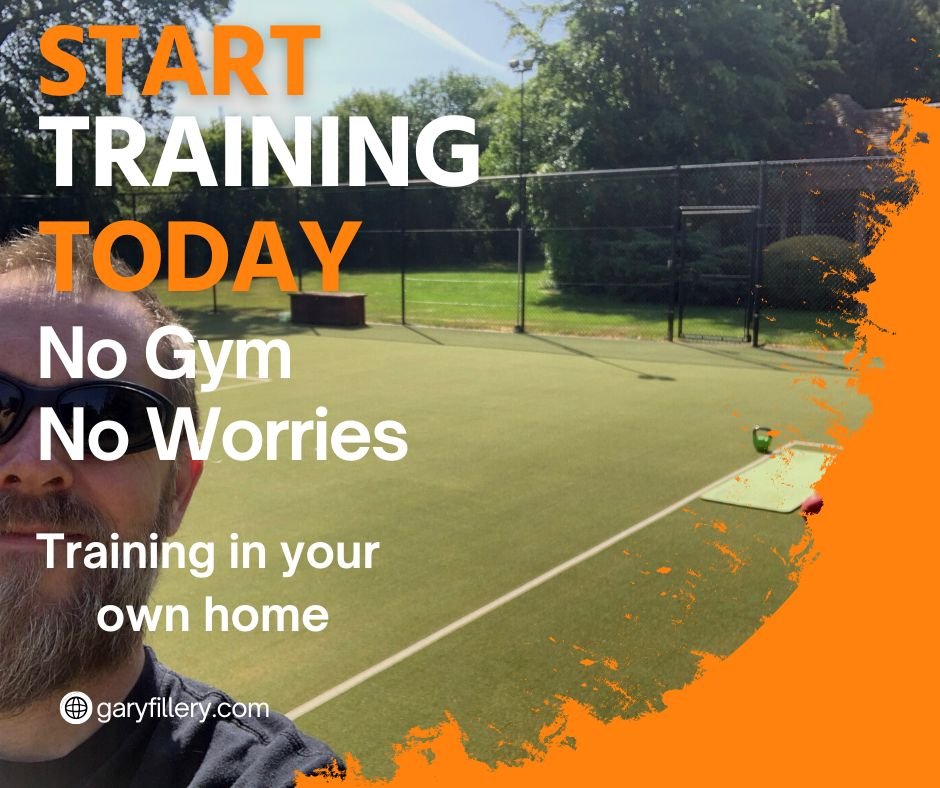
Overcoming Procrastination
Jumpstart Your Fitness Journey
As a personal trainer, I've seen countless clients struggle with procrastination when it comes to exercise and nutrition. The desire to get fit is there, but taking that first step can feel daunting. If you've been putting off your fitness goals, you're not alone. Let's explore some practical strategies to overcome procrastination and get you moving towards a healthier lifestyle.
Understanding Exercise Procrastination
Procrastination often stems from fear, uncertainty, or feeling overwhelmed. When it comes to fitness, you might be worried about:
Not knowing where to start
Fear of failure or injury
Lack of immediate results
Time constraints
Low energy or motivation
Recognising these barriers is the first step in overcoming them. Remember, everyone starts somewhere, and progress takes time.
Practical Tips to Stop Procrastinating
Start small: Commit to just 5 minutes of exercise. Once you start, you'll likely continue beyond that initial commitment.
Set clear, achievable goals: Break down your fitness aspirations into smaller, manageable milestones. This makes the journey less overwhelming and allows you to celebrate progress along the way.
Schedule your workouts: Treat exercise like any other important appointment. Block out dedicated time in your calendar and stick to it.
Find activities you enjoy: Exercise doesn't have to mean grueling gym sessions. Experiment with different activities until you find something you genuinely look forward to, whether it's dancing, hiking, or joining a sports team.
Create a support system: Share your goals with friends or family, or find a workout buddy. Having someone to hold you accountable can be a powerful motivator.
Prepare in advance: Lay out your workout clothes the night before, or pack your gym bag ahead of time. Removing small barriers can make it easier to follow through.
Use the 5-second rule: When you think about exercising, count backward from 5 and then immediately take action. This technique can help override the part of your brain that wants to procrastinate.
Visualise success: Take a moment to imagine how great you'll feel after your workout. Focus on the positive emotions and energy boost you'll experience.
Overcoming Nutrition Procrastination
Healthy eating habits are just as crucial as exercise, but they can be equally challenging to maintain. Here are some strategies to overcome nutrition procrastination:
Meal prep: Dedicate time each week to plan and prepare meals in advance. This reduces decision fatigue and makes it easier to stick to healthy choices.
Stock your kitchen wisely: Keep nutritious snacks and ingredients readily available. When healthy options are convenient, you're more likely to choose them.
Start with small changes: Instead of overhauling your entire diet, focus on making one or two healthier choices each day. Gradual changes are more sustainable in the long run.
Learn quick, healthy recipes: Explore simple, nutritious meals that can be prepared in 15-30 minutes. Having a repertoire of easy recipes makes healthy eating more manageable.
Practice mindful eating: Pay attention to your hunger cues and eat without distractions. This can help you make more conscious food choices and enjoy your meals more fully.
Remember, overcoming procrastination is a process. Be patient with yourself and celebrate small victories along the way. As your personal trainer, I'm here to support you every step of the journey. Together, we can create a fitness and nutrition plan that fits your lifestyle and helps you achieve your goals.Ready to take that first step? Let's get started today!

Vitamin D and the healthy older adult.
Vitamin D is a crucial nutrient for healthy ageing, and maintaining optimal health becomes increasingly important. One nutrient that plays a vital role in the well-being of older adults is vitamin D. Let's explore how our bodies use and produce this essential vitamin and the potential consequences of vitamin D deficiency.
Vitamin D is a crucial nutrient for healthy ageing, and maintaining optimal health becomes increasingly important. One nutrient that plays a vital role in the well-being of older adults is vitamin D. Let's explore how our bodies use and produce this essential vitamin and the potential consequences of vitamin D deficiency.
Bone Health: Vitamin D is essential for calcium absorption and bone mineralisation, helping to maintain strong bones and reduce the risk of fractures.
Muscle Function: It supports muscle strength and balance, potentially reducing the risk of falls in older adults.
Immune System: Vitamin D plays a role in supporting immune health and may help protect against infections and autoimmune diseases.
Mood Regulation: Research suggests that vitamin D may help regulate mood and decrease the risk of depression.
Cardiovascular Health: Some studies indicate that adequate vitamin D levels may be associated with a lower risk of heart disease.

How the Body Produces Vitamin D The primary source of vitamin D for most people is sunlight. When our skin is exposed to UVB rays, it triggers a process that converts a form of cholesterol in our skin cells into vitamin D3. However, as we age, our ability to produce vitamin D through sun exposure decreases. Older adults face several challenges in maintaining adequate vitamin D levels:
Reduced Sun Exposure: Many older adults spend less time outdoors or use sunscreen more frequently, limiting their skin's exposure to sunlight.
Decreased Skin Efficiency: The skin of older adults is less efficient at producing vitamin D from sunlight.
Limited Dietary Sources: Few foods naturally contain significant amounts of vitamin D, making it challenging to obtain sufficient amounts through diet alone.
Drawbacks of Low Vitamin D LevelsVitamin D deficiency can have serious consequences for older adults:
Increased Fracture Risk: Low vitamin D levels can lead to weakened bones and a higher risk of fractures, particularly in combination with low calcium intake.
Muscle Weakness: Vitamin D deficiency may contribute to muscle weakness and increased risk of falls.
Cognitive Decline: Some studies suggest a potential link between low vitamin D levels and cognitive decline in older adults.
Compromised Immune Function: Inadequate vitamin D may increase susceptibility to infections and autoimmune diseases.
Mood Disorders: Low vitamin D levels have been associated with an increased risk of depression in some studies.
Given the importance of vitamin D for healthy ageing, it's crucial for older adults to maintain adequate levels. While sunlight exposure remains an important source, many older adults may benefit from vitamin D supplementation. Remember, while vitamin D is essential, it's important not to exceed the recommended dosage, as excessive intake can have adverse effects. By maintaining optimal vitamin D levels, older adults can support their overall health and potentially reduce the risk of age-related health issues.

3 sessions for the price of 2
Are you tired of the same old workout routines and struggling to stay motivated? Look no further than our mobile personal training services in Basingstoke! I am thrilled to announce an incredible limited-time offer that will kickstart your fitness journey like never before.
Unlock Your Fitness Potential with Our Irresistible 3-for-2 Mobile Personal Training Offer
Are you tired of the same old workout routines and struggling to stay motivated? Look no further than our mobile personal training services in Basingstoke! I am thrilled to announce an incredible limited-time offer that will kickstart your fitness journey like never before.
Introducing Our 3-for-2 Mobile Personal Training Sessions
For a limited time only, I am offering an unbeatable deal: book three personal training sessions and pay for only two! That's right, you'll receive one session absolutely free, giving you the perfect opportunity to experience the transformative power of our personalised training programs. At my mobile personal training service, I understand that every individual has unique fitness goals, preferences, and schedules. That's why I bring the gym to you, whether it's in the comfort of your home, office, or your favorite local park. I will design a tailored workout plan that aligns with your specific needs, ensuring you achieve maximum results while enjoying the convenience of training on your own terms.
Unlock Your Full Potential with Expert Guidance
I am an experienced trainer dedicated to helping you unlock your full potential. I’ll motivate you, challenge you, and provide the expert guidance you need to push past your limits and achieve your fitness aspirations. Whether you're aiming to build strength, improve endurance, or simply lead a healthier lifestyle, I will be your unwavering support system every step of the way. Don't miss out on this incredible opportunity to kickstart your fitness journey with our 3-for-2 mobile personal training offer. Embrace the convenience, personalisation, and expert guidance that our services provide, and experience the transformative power of a tailored workout plan designed specifically for you. To take advantage of this limited-time offer, simply reach out today. I’m ready to answer any questions you may have and guide you through the process of booking your first session. Unlock your fitness potential and embark on a journey towards a healthier, happier you!
Gary.


Off on holiday? are you going to keep up your fitness regime?
Maintaining an exercise routine while on holiday can be challenging, but it's essential for staying fit and healthy. Here are some tips to help you keep up your exercise regime while on holiday:
Maintaining an exercise routine while on holiday can be challenging, but it's essential for staying fit and healthy. Here are some tips to help you keep up your exercise regime while on holiday:
Invest in portable fitness equipment:
Resistance bands, a jump rope, and a yoga mat are lightweight and versatile options that can be easily packed in your luggage. These items allow you to perform a full-body workout in the comfort of your hotel room or outdoors.
Explore outdoor activities:
Take advantage of your surroundings and engage in activities like hiking, swimming, or cycling. These activities not only provide a great workout but also allow you to explore the local area and immerse yourself in the culture.
Wake up early:
Start your day with a workout before the hustle and bustle of vacation activities begin. This will ensure that you don't skip your exercise routine due to a packed schedule
.Use bodyweight exercises:
If you don't have access to equipment, bodyweight exercises like push-ups, squats, and lunges can be performed anywhere, requiring no equipment at all.
Stay hydrated:
Drinking plenty of water is crucial, especially when exercising in a new environment. Carry a refillable water bottle with you to stay hydrated throughout the day.
Be flexible:
While it's important to stick to your routine, don't be too hard on yourself if you miss a workout or indulge in a few treats. Holidays are meant to be enjoyed, so find a balance between exercise and relaxation.
By incorporating these tips, you can maintain your exercise regime while on holiday, ensuring that you return home feeling refreshed and energized, without compromising your fitness goals.
Ready to take your fitness journey to the next level? Don't miss out on the opportunity! Sign up now for a FREE personalised consultation with me. With limited slots book when you can Take that step towards a healthier, stronger, and happier you today. Together, we'll achieve your fitness goals and create lasting positive changes. Let's make it happen – reserve your spot now!


4 most common workout myths
Myth 1: Doing Crunches Will Get Rid of Belly Fat
This is a myth. Crunches and other ab exercises only work the abdominal muscles, but they don't specifically burn belly fat. To lose fat around your mid-section, you need to focus on overall calorie burning through cardiovascular exercise that engages multiple muscle groups. A combination of calorie-burning workouts and a calorie-controlled diet is the most effective way to lose belly fat.
Myth 2: No Pain, No Gain
The notion that you must push through extreme pain to see results is false. While exercise should challenge you, it shouldn't cause injury or excessive soreness. Pain is often a sign that you're overdoing it or using improper form. Aim for moderate-intensity workouts that leave you feeling energized, not debilitated.

Myth 3: Fasted Cardio Burns More Fat
There is no evidence that exercising on an empty stomach provides any additional fat-burning benefits. Your body needs fuel from food to power through a workout effectively. Exercising in a fasted state can lead to fatigue, dizziness, and a higher risk of injury. Eat a small meal or snack 1-2 hours before your workout for optimal performance.
Myth 4: Lifting Weights Makes Women Bulky
This myth stems from the misconception that weightlifting will cause women to develop large, masculine muscles. However, women naturally have lower levels of testosterone, making it extremely difficult for them to build bulky muscle mass through weight training alone. Lifting weights with higher reps and lower weights actually promotes a toned, lean physique for women.
In summary, many popular workout myths in the UK lack scientific evidence. Focus on a balanced approach combining cardiovascular exercise, strength training, and a nutritious diet for sustainable fitness results.
Ready to take your fitness journey to the next level? Don't miss out on the opportunity! Sign up now for a FREE personalised consultation and PT session with me if you're in the Basingstoke North Hampshire area. With limited slots book when you can Take that step towards a healthier, stronger, and happier you today. Together, we'll achieve your fitness goals and create lasting positive changes. Let's make it happen – reserve your spot now!

what are the benefits of personal training for mental health
Reducing stress and anxiety through the release of endorphins during exercise. The structured routine and guidance from a trainer can provide a dedicated outlet for channeling energy positively
Reducing stress and anxiety through the release of endorphins during exercise. The structured routine and guidance from a trainer can provide a dedicated outlet for channeling energy positively.
Boosting self-esteem and confidence by achieving fitness milestones and overcoming physical challenges with the trainer's support and encouragement.
Improving mood and alleviating symptoms of depression. Exercise increases blood flow to the brain and promotes the release of mood-enhancing neurotransmitters like serotonin and dopamine.
Enhancing cognitive function, focus, and concentration. Physical activity increases oxygen and blood flow to the brain, supporting neurogenesis (formation of new brain cells).
Providing a supportive fitness community and a sense of belonging, which can counter feelings of isolation and contribute to improved mental well-being.
Helping establish healthy lifestyle habits that promote overall wellness, including better sleep quality and increased energy levels.
Offering personalised support, motivation, and accountability from the trainer, which can significantly impact perseverance and commitment to a fitness routine.
Allowing for a tailored approach that considers individual needs, preferences, and any mental health conditions, creating a comfortable and enjoyable exercise experience.
By incorporating exercise into mental health management plans under the guidance of a personal trainer, individuals can experience a holistic approach to improving their physical and psychological well-being.


Mental health week. are you working in a toxic work place.
Addressing a toxic work environment can be challenging, but taking proactive steps can help improve the situation or provide clarity on whether it's time to move on to a healthier work environment.
Are you working in a toxic work environment and how do you know if you are?
Several signs indicate a toxic company culture, and it's important to address them promptly to maintain a healthy work environment. Here are some common signs of a toxic workplace and steps you can take to help:
Signs of a Toxic Company Culture
Poor Communication: Lack of transparency, passive-aggressive behavior, and ineffective communication from management are red flags.
Disrespectful Behavior: Employees feel disrespected, unappreciated, or treated unfairly by managers or colleagues. There may be a culture of bullying, gossiping, or cliques.
Unhealthy Work-Life Balance: Employees are expected to work excessive hours, take on unrealistic workloads, or are unable to disconnect from work, leading to burnout.
High Turnover Rate: A high employee turnover rate can indicate underlying issues with the company culture.
Lack of Trust and Support: Employees feel unsupported, micromanaged, or like they're walking on eggshells. There's a fear of speaking up or making mistakes.
Unclear Roles and Expectations: Job responsibilities and expectations are poorly defined, leading to confusion and frustration.
Unethical Behavior: The company promotes or turns a blind eye to unethical practices, such as discrimination, harassment, or lying.

What You Can Do
Speak Up: If you feel comfortable, address your concerns with your manager or HR department. Provide specific examples and suggest solutions.
Build Allies: Connect with like-minded colleagues who share your concerns. A united front can have more impact.
Document Everything: Keep a record of incidents, emails, or conversations that demonstrate the toxic behaviour. This can support your case if you need to escalate the issue.
Prioritize Your Well-being: Engage in self-care activities, set boundaries, and consider seeking professional help if the toxic environment is affecting your mental or physical health.
Explore Options: If the situation doesn't improve, consider looking for a new job opportunity that aligns with your values and provides a healthier work environment.
Lead by Example: If you're in a leadership position, model the behaviour you want to see, and work towards creating a positive, respectful, and supportive culture.
Addressing a toxic work environment can be challenging, but taking proactive steps can help improve the situation or provide clarity on whether it's time to move on to a healthier work environment.
Unfortunately or fortunately I have had the experience of working for a company in my opinion had a toxic work environment and when I pulled them up about it I was sacked for gross misconduct, OK I did pull them up about it on social media which was against their employment policy, but I felt so strongly about what they were saying and what they were doing I had to say something, I may have been sacked but my conscience is clear.

stress and your well-being
Regular exercise: Engaging in physical activity like yoga, aerobics, or strength training can help reduce stress, improve mood
The state of your well-being can indeed influence your decision-making abilities, even in a large company setting. Poor well-being, characterised by high-stress levels, burnout, or mental health issues, can lead to impulsive or rash decisions that may not be in your best interest or that of the company. Here are five things that can help improve your well-being and prevent rash decision-making:

Regular exercise:
Engaging in physical activity like yoga, aerobics, or strength training can help reduce stress, improve mood, and boost overall well-being. Exercise releases endorphins, which are natural mood elevators, and can help you think more clearly and rationally.
Mindfulness and meditation practices:
Techniques like deep breathing exercises, mindfulness meditation, or guided imagery can help you stay grounded, focused, and present in the moment. This can prevent you from making hasty decisions driven by emotions or stress.
Wellness programs and activities:
Many companies offer wellness programs that include activities like fitness classes, stress management workshops, or mental health resources. Participating in these can help you develop healthy coping mechanisms and improve your overall well-being.
Counseling or therapy:
If you're struggling with mental health issues or high levels of stress, seeking professional help from a counselor or therapist can be beneficial. They can provide you with tools and strategies to manage your well-being and make sound decisions.
Healthy work-life balance:
Maintaining a balance between your professional and personal life is crucial for your well-being. Make time for hobbies, social activities, and self-care practices to prevent burnout and maintain a positive mindset.
By prioritising your well-being through exercise, mindfulness practices, wellness activities, professional support, and work-life balance, you can cultivate a healthier state of mind and reduce the likelihood of making rash decisions in a large company setting.

What are the benefits of using a foam roller?
Foam rolling is a beneficial technique that can be used both before and after a workout to enhance muscle recovery and performance.
Foam rolling is a beneficial technique that can be used both before and after a workout to enhance muscle recovery and performance. Here are the key benefits of using a foam roller:
Before Workout:
Increased Range of Motion (ROM): Foam rolling before training can improve joint mobility, reducing the risk of injury
Improved Blood Circulation: It enhances arterial blood flow, aiding in muscle performance during exercise
Prevents Soreness: Helps alleviate lingering soreness from previous workouts, enhancing performance and reducing the likelihood of injury
After Workout:
Reduced Delayed Onset Muscle Soreness (DOMS): Foam rolling post-exercise can effectively reduce muscle soreness and aid in recovery.
Enhanced Recovery:
It promotes relaxation in muscles, aiding in recovery and making DOMS more manageable
Improved Performance:
Studies show that foam rolling after working out can reduce muscle soreness and improve sprint speed and flexibility

How It Works:
Mechanical Pressure:
Foam rolling applies pressure to muscles, prompting them to relax and unwind, reducing knots and sore spots
Heat Generation:
The pressure and heat generated help make joint fluid runnier, decreasing friction and increasing mobility
Stretch Response:
Direct pressure on muscles triggers a stretch response, allowing muscles to relax and increase the range of motion
In conclusion, incorporating foam rolling into your pre and post-workout routine can lead to reduced soreness, improved recovery, enhanced performance, and better overall muscle health.

Hyper-mobility, how it can affect your workout.
Hypermobility refers to the ability of joints to move beyond the normal range of motion. It can impact your exercise routine by requiring a focus on correct alignment, controlled movement, and avoiding excessive repetitions that don't engage the right muscles.
Hypermobility refers to the ability of joints to move beyond the normal range of motion. It can impact your exercise routine by requiring a focus on correct alignment, controlled movement, and avoiding excessive repetitions that don't engage the right muscles. When exercising with hypermobility, it's crucial to move the weight around your body instead of moving your body around the weight, maintain good stability and technique, and not lift more than you can control.

Strength training becomes essential for individuals with hypermobility to prevent weakness and improve overall stability, focusing on regular workouts three days a week with a long-term commitment to building strength. Additionally, exercise can help stabilize hypermobile joints, improve muscle strength, enhance balance, reduce chronic pain, and increase independence.
It is important to find suitable exercises that challenge but do not strain your joints, emphasizing low to moderate impact activities and controlled movements to prevent injuries.
For more information on Personal training get in touch or a free consultaion get in touch.

What is creatine?
In a nutshell, it helps you push a bit harder during workouts.
Creatine is a natural compound found in small amounts in certain foods and produced by the body. It's stored in muscles and used for quick bursts of energy during high-intensity activities like weightlifting or sprinting. Supplementing with creatine can enhance these energy reserves, potentially improving performance, strength, and muscle recovery.
In a nutshell, it helps you push a bit harder during workouts. Just remember, it might not be equally beneficial for everyone, so it's good to consult with a healthcare professional or a fitness expert before adding it to your routine.

for a free consutaion get in-touch

HYROX the new fitness trend.
Hyrox is a global fitness race that combines functional strength training, high-intensity interval training (HIIT), and endurance training.
Hyrox is a global fitness race that combines functional strength training, high-intensity interval training (HIIT), and endurance training. It aims to test well-rounded fitness through various elements like running, rowing, and strength exercises. The race consists of eight rounds, each including a 1km run followed by different functional exercises like SkiErg, sledge push, sledge pull, burpee broad jumps, rowing, farmers carry, sandbag lunges, and wall balls.

Key benefits of participating in Hyrox include:
Improving athletic performance by enhancing strength, endurance, and mobility.
It aids fat loss through intense training that burns calories.
Enhancing everyday activities and movements by improving strength and flexibility.
Providing a new challenge for gym enthusiasts to stay motivated and focused on their fitness goals.
Creating a sociable environment where participants are cheered on by spectators and connect with like-minded individuals in the HYSOCIETY community.
Training for a Hyrox event involves a mix of endurance running, cardio training, functional exercises, and strength training. It is essential to practice each functional exercise while complementing them with running and full-body exercises like press-ups and deadlifts to prepare adequately for the race
For more information or a free consultation then get in touch
https://www.garyfillery.com/contact

Why does my hip click when doing leg raises?
To address hip clicking, stretching tight muscles like the quadriceps, hamstrings, glutes, and iliotibial band can be beneficial. Additionally, exercises that strengthen the hip muscles,

When your hip clicks during leg raises, it could be due to a condition known as Snapping Hip Syndrome. This typically happens when a muscle or tendon moves abnormally over a bone, such as the iliotibial band snapping over the head of the femur. Weak and tight hip rotators can contribute to this issue. If you experience pain along with the clicking sound, it is advisable to consult a physical therapist or doctor for further evaluation.
To address hip clicking, stretching tight muscles like the quadriceps, hamstrings, glutes, and iliotibial band can be beneficial. Additionally, exercises that strengthen the hip muscles, such as leg raises with knees bent or legs slightly apart, can help reduce the problem. It is also recommended to limit activities that involve the hip joint and focus on strengthening and stretching exercises
For individuals with excessive flexibility (hypermobility), clicking in the hips can occur due to a lack of muscle control around the hips. Strengthening the glute muscles through specific exercises like side leg lifts against a wall, back massages, clam exercises, and bridges can help reduce hip clicking over time
Snapping Hip Syndrome (SHS) is a common cause of clicking hips and can be triggered by various factors such as muscle inflammation and tightness around the hip joint. SHS is more prevalent in females and athletes involved in high-mobility sports like soccer, running, and gymnastics. Strengthening the hip muscles, improving flexibility, and resting from strenuous activities are essential steps in managing clicking hips
.

Choosing a Healthy Path: Losing Weight with Food Instead of Drugs
In conclusion, embracing a diet rich in whole foods, balanced nutrients, and mindful eating habits is the cornerstone of a healthy lifestyle.

In today's fast-paced world, weight loss has become a topic of great concern for many individuals striving to achieve a healthier lifestyle. While pharmaceutical solutions like Ozempic may seem enticing for their promises of quick results, it's important to recognise the significance of embracing a holistic approach to weight loss that focuses on nutrition and lifestyle choices. In this article, we delve into why losing weight with food should be prioritised over relying solely on drugs.
Sustainable Lifestyle Changes:
One of the key advantages of losing weight through dietary modifications is the opportunity to adopt sustainable lifestyle changes. Incorporating healthy eating habits into one's routine promotes long-term success by establishing a positive relationship with food. Unlike drugs, which provide temporary solutions, making conscious dietary choices can lead to lasting weight management and improved overall health.
Nutrient-Rich Options:
Choosing to lose weight with food allows individuals to focus on consuming nutrient-rich options that support their well-being. Whole foods such as fruits, vegetables, lean proteins, and whole grains provide essential vitamins, minerals, and fibre, which drugs like Ozempic cannot replicate. These foods not only aid in weight loss but also improve overall health by reducing the risk of chronic diseases.
Personalised Approach:
Every individual has unique dietary requirements, preferences, and tolerances. Losing weight with food empowers people to personalise their weight loss journey according to their specific needs. Tailoring meal plans and making informed choices based on individual preferences allows for greater flexibility and increases the likelihood of maintaining a healthy weight in the long run. Drugs, on the other hand, offer a standardised approach that does not consider individual variability.
Building a Healthy Relationship with Food:
By focusing on food as a tool for weight loss, individuals can develop a healthier relationship with what they eat. It encourages mindfulness and a deeper understanding of how different foods affect their bodies. Developing this awareness promotes balanced eating habits and helps individuals overcome emotional and binge-eating tendencies. In contrast, relying solely on drugs may detach people from the importance of understanding their relationship with food.
Lifestyle Transformation:
Losing weight with food fosters a holistic lifestyle transformation that extends beyond weight loss alone. Engaging in regular physical activity, adopting stress management techniques, and prioritizing self-care are all integral components of a healthy lifestyle. These changes, when combined with proper nutrition, provide a well-rounded approach to weight loss that enhances overall well-being, boosts energy levels, and improves mental health.
While drugs like Ozempic may offer short-term weight loss benefits, the long-term approach of losing weight with food proves to be more sustainable and beneficial. By focusing on nutrient-rich options, personalising one's approach, building a healthy relationship with food, and embracing a comprehensive lifestyle transformation, individuals can achieve weight loss goals while promoting overall health and well-being. By prioritizing a holistic approach, we empower ourselves to make informed choices that will have a lasting impact on our quality of life.
In conclusion, embracing a diet rich in whole foods, balanced nutrients, and mindful eating habits is the cornerstone of a healthy lifestyle. Remember, nourishing your body with the right fuel is not just about reaching your fitness goals; it's about honoring your health and well-being. So, let's make a commitment to prioritise our nutrition, one wholesome meal at a time, and watch as our bodies thrive with vitality and energy. Here's to a healthier, happier you!
All the best
Gary

Losing concentration? Are you eating right?
When you don't eat at regular intervals during the day, it can lead to a drop in blood sugar levels, also known as hypoglycemia.
When you don't eat at regular intervals during the day, it can lead to a drop in blood sugar levels, also known as hypoglycemia. Maintaining stable blood sugar levels is crucial for optimal brain function, and when these levels dip too low, it can have several effects on your concentration and cognitive abilities.

Here's how the lack of regular meals can affect your concentration:
Energy Depletion: Food provides the body with glucose, which is the primary source of energy for the brain. When you skip meals or go for extended periods without eating, your body's glucose reserves become depleted. This can result in a lack of energy for the brain to function optimally, leading to reduced concentration and focus.
Impaired Brain Function: The brain requires a steady supply of glucose to carry out its various cognitive processes effectively. When glucose levels drop due to inadequate food intake, the brain's ability to perform tasks such as memory retention, information processing, and problem-solving can be compromised. This can make it harder to concentrate and stay focused on tasks.
Mood Swings: Irregular eating patterns can also affect your mood, leading to irritability, fatigue, and even anxiety or depression. When blood sugar levels fluctuate, it can trigger changes in neurotransmitters like serotonin, which plays a role in regulating mood. These mood swings can further disrupt your ability to concentrate and maintain mental clarity.
Decreased Attention Span: When your brain is deprived of proper nourishment, it can result in a shorter attention span. You may find it challenging to stay focused on a task for an extended period or experience difficulties in maintaining sustained attention. This can hinder productivity and make it harder to complete tasks efficiently.
Brain Fog: Inadequate food intake can contribute to a phenomenon known as "brain fog," which is characterised by a feeling of mental cloudiness or difficulty thinking clearly. This can manifest as forgetfulness, difficulty processing information, and a general sense of mental sluggishness. Brain fog can significantly impact your ability to concentrate and retain information.
To maintain optimal concentration throughout the day, it's important to establish regular eating habits and consume balanced meals that provide a steady supply of nutrients, including carbohydrates for energy and glucose. Prioritising a well-rounded diet and eating at regular intervals can help sustain stable blood sugar levels and support your cognitive function.
For any more information on personal training then get in touch.
Gary

Cortisol, the effects after exercise.
Cortisol, often dubbed the "stress hormone," plays a complex role in the body's response to exercise. While it's released in response to physical stress, like intense workouts, it serves important functions like regulating energy metabolism and immune response. However, chronically elevated cortisol levels, especially post-exercise, can have negative effects like muscle breakdown and impaired recovery. High cortisol levels may also contribute to increased fat storage, particularly around the abdomen. Thus, while acute cortisol spikes post-exercise are normal and necessary for adaptation, managing stress levels and incorporating recovery strategies like adequate sleep and nutrition can help mitigate its potential negative impact.