Health & Fitness News

Ozempic, Weight Loss Injections and Pregnancy: What Every Woman Should Know.
Weight loss medications are changing the treatment of obesity, offering hope to many people who have struggled for years.
However, they're not a quick fix and they're certainly not suitable for everyone.
If you're considering pregnancy, using contraception, or thinking about starting one of these medications, have an informed discussion with your GP, pharmacist or specialist before making any decisions.
As with any treatment, the best outcomes come when medication is combined with education, lifestyle changes and professional guidance.
Over the last few years, medications such as Ozempic (semaglutide), Wegovy, Mounjaro (tirzepatide) and Saxenda (liraglutide) have transformed obesity treatment. Many people have achieved significant weight loss, improved blood sugar control and reduced health risks.
However, alongside their popularity has come an unexpected trend: an increase in unplanned pregnancies among women using these medications.
So what is actually happening, and should people be concerned?

The Rise of the "Ozempic Baby"
The phrase "Ozempic Baby" has become increasingly common on social media.
Despite the catchy nickname, it doesn't mean the medication increases fertility directly.
Instead, there are several reasons pregnancies may become more likely after significant weight loss.
Improved fertility
Excess body fat can interfere with hormone production and ovulation.
Losing weight often improves:
Ovulation
Menstrual regularity
Insulin sensitivity
Hormonal balance
This is particularly important for women with Polycystic Ovary Syndrome (PCOS), where even modest weight loss can dramatically improve fertility.
For many women who previously struggled to conceive, fertility may return sooner than expected.
Can Weight Loss Jabs Affect Contraception?
This is where things become particularly important.
The UK Medicines and Healthcare products Regulatory Agency (MHRA) now advises that women taking GLP-1 medications should use effective contraception if they do not wish to become pregnant.
Mounjaro (tirzepatide)
Unlike other GLP-1 medicines, Mounjaro may reduce the effectiveness of the oral contraceptive pill, particularly during:
the first four weeks after starting treatment
four weeks after every dose increase
This happens because the medication significantly slows stomach emptying, potentially reducing absorption of oral contraceptives.
The MHRA recommends using:
a non-oral contraceptive, or
adding barrier protection (such as condoms)
during these periods.
Should You Take Ozempic During Pregnancy?
Current guidance is very clear.
No.
GLP-1 medications are not recommended during pregnancy because there is still insufficient evidence to confirm they are completely safe for a developing baby.
Animal studies have shown potential fetal harm, although this has not been clearly demonstrated in humans. Because of this uncertainty, medical professionals advise avoiding these medications while pregnant.
Planning a Pregnancy?
If you're hoping to conceive, speak with your GP or specialist before stopping your medication.
Current recommendations generally advise stopping:
Semaglutide (Ozempic/Wegovy): approximately 2 months before trying to conceive
Tirzepatide (Mounjaro): approximately 1 month before conception
This allows enough time for the medication to leave your system.

What Does the Research Say?
The good news is that recent research has become more reassuring.
Several systematic reviews published in 2025 and 2026 found that accidental exposure during early pregnancy was not associated with a statistically significant increase in major birth defects or miscarriage. However, the available evidence is still observational, and researchers stress that there is not yet enough information to recommend continuing these medicines throughout pregnancy.
The key message remains:
If you discover you're pregnant while taking one of these medications, don't panic. Contact your healthcare provider promptly for personalised advice.
Other Important Side Effects
Weight loss injections are highly effective, but they are not without risks.
Common side effects
Most people experience mild symptoms such as:
nausea
vomiting
diarrhoea
constipation
reduced appetite
indigestion
fatigue
These usually improve as the body adapts.
Loss of Muscle
Rapid weight loss doesn't only reduce body fat.
Without adequate protein intake and resistance training, people can also lose lean muscle mass.
This is one reason exercise professionals recommend combining these medications with:
strength training
sufficient dietary protein
regular physical activity
Maintaining muscle is essential for metabolism, balance, healthy ageing and long-term weight maintenance.
Gallstones
Rapid weight loss increases the risk of gallstones, whether achieved through medication or dieting.
Symptoms include:
pain beneath the right ribs
nausea
pain after fatty meals
Pancreatitis
Although uncommon, acute pancreatitis is a recognised serious adverse effect.
Seek urgent medical attention if severe upper abdominal pain develops, especially if accompanied by vomiting. The MHRA has strengthened warnings about this rare but potentially serious complication.
Eye Problems
The MHRA has also updated advice regarding a rare eye condition called non-arteritic anterior ischaemic optic neuropathy (NAION). Anyone taking semaglutide who experiences sudden vision changes should seek urgent medical assessment.
Weight Loss Is Only Part of the Journey
Weight loss injections can be incredibly effective tools, but they work best when combined with healthy lifestyle habits.
The most successful long-term results usually come from combining medication with:
resistance training
regular cardiovascular exercise
adequate protein intake
improved sleep
stress management
sustainable eating habits
Medication may help open the door, but healthy habits help keep it open.
Final Thoughts
Weight loss medications are changing the treatment of obesity, offering hope to many people who have struggled for years.
However, they're not a quick fix, and they're certainly not suitable for everyone.
If you're considering pregnancy, using contraception, or thinking about starting one of these medications, have an informed discussion with your GP, pharmacist or specialist before making any decisions.
As with any treatment, the best outcomes come when medication is combined with education, lifestyle changes and professional guidance.
References
MHRA (2025). GLP-1 medicines for weight loss and diabetes: what you need to know.
MHRA Safety Roundup (June 2025). Updated contraception guidance for GLP-1 medicines.
Varughese MS, O'Mahony F, Varadhan L. GLP-1 receptor agonist therapy and pregnancy: Evolving and emerging evidence. Clinical Medicine. 2025.
Price SAL, Nankervis A. Considering the use of GLP-1 receptor agonists in women with obesity prior to pregnancy: A narrative review. Archives of Gynecology and Obstetrics. 2025.
Evaluation of GLP-1 receptor agonists in obstetrics and perinatal outcomes: A systematic review and meta-analysis. Journal of Obstetrics and Gynaecology. 2025.
Drucker DJ. GLP-1-based therapies for diabetes, obesity and beyond. Nature Reviews Drug Discovery. 2025.
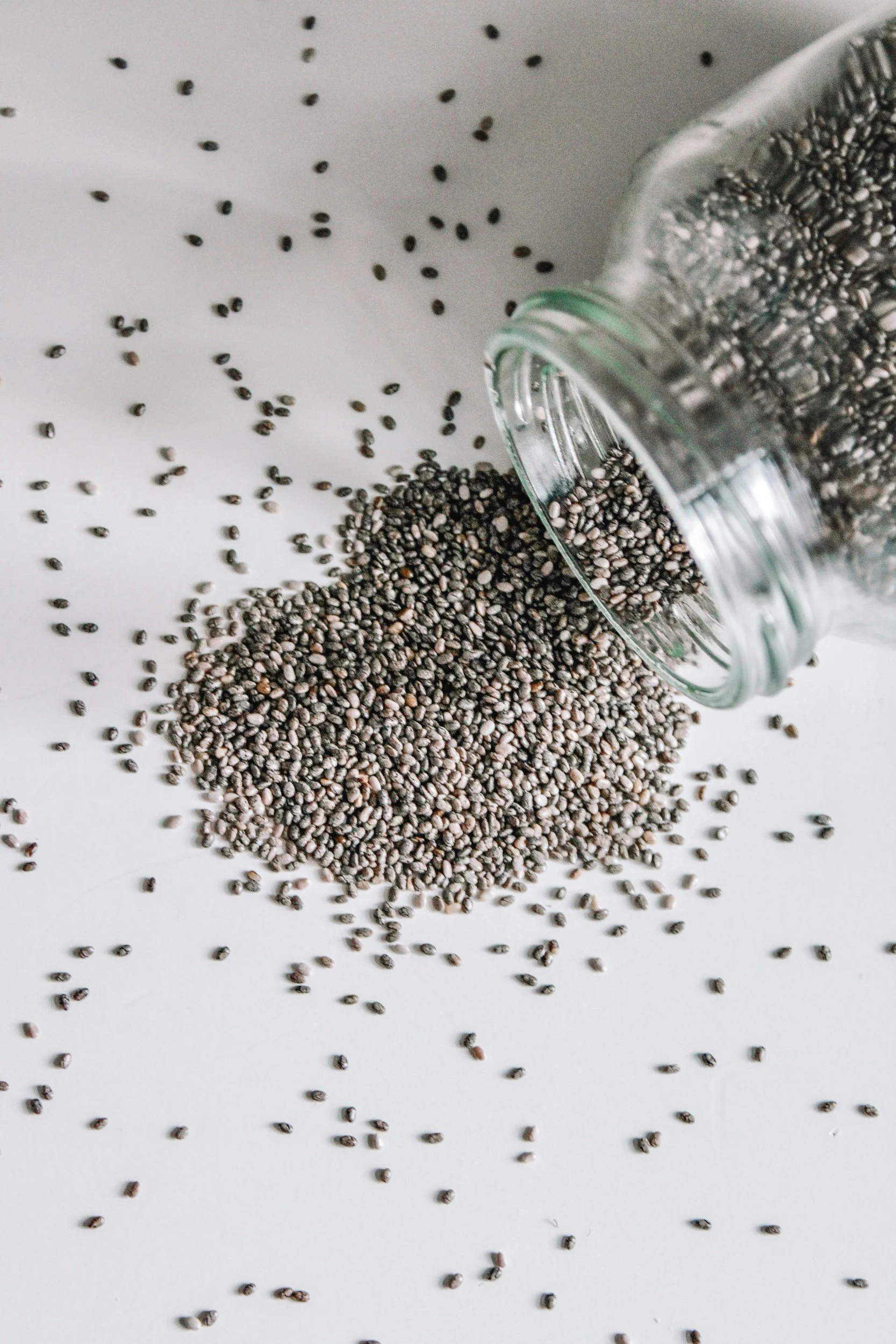
Chia V flax seed
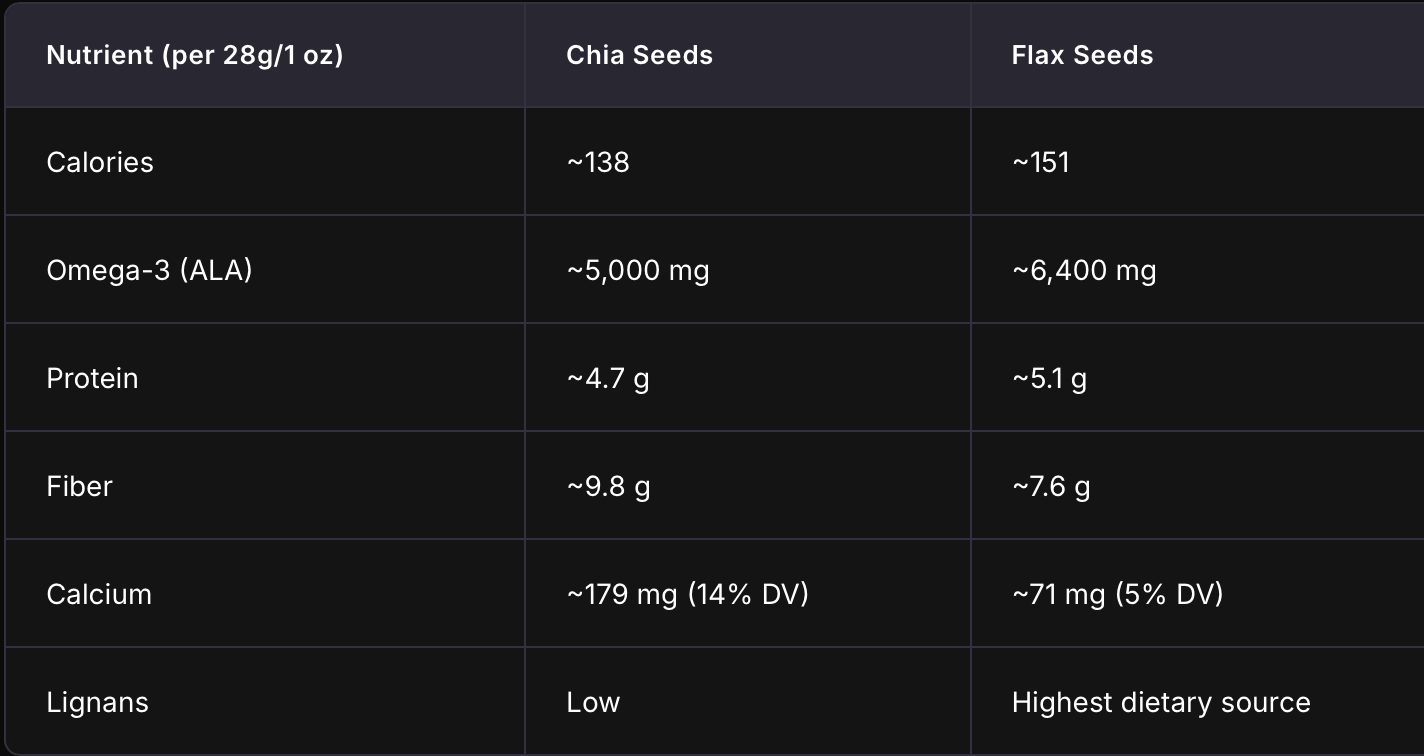
A critical practical note: flax seeds must be ground for the body to access their nutrients. Whole flax seeds pass through the digestive tract largely intact. Chia seeds, by contrast, are bioavailable in their whole form, making them somewhat more convenient.
Both are excellent sources of alpha-linolenic acid (ALA), a plant-based omega-3 fatty acid, but flax contains significantly more. Flax is also the richest dietary source of lignans, a type of polyphenol with antioxidant properties — chia contains lignans too, but in much smaller amounts. Chia, on the other hand, wins on fiber and calcium content.
Physiological Effects
Chia seeds form a hydrophilic gel when mixed with water (due to their mucilaginous fiber), which slows digestion and promotes a feeling of satiety. Studies suggest chia may help regulate postprandial blood glucose and improve lipid profiles. Their high soluble fiber content also supports gut microbiome diversity and bowel regularity.
Flax seeds are particularly notable for their lignans, which are metabolized by gut bacteria into enterolignans (enterodiol and enterolactone). These compounds have weak phytoestrogenic activity and have been studied for their potential roles in reducing risk of cardiovascular disease and certain hormone-related cancers. Research has also linked flax consumption to reductions in LDL cholesterol and improvements in insulin sensitivity.
A critical practical note: flax seeds must be ground for the body to access their nutrients. Whole flax seeds pass through the digestive tract largely intact. Chia seeds, by contrast, are bioavailable in their whole form, making them somewhat more convenient.
Both seeds are valuable additions to a diet, and incorporating both provides complementary benefits — chia for hydration-friendly fiber and minerals, flax for omega-3 density and lignan richness.
For further reading, you can explore:
Harvard T.H. Chan School of Public Health: https://www.hsph.harvard.edu/nutritionsource/food-features/flaxseeds/
NIH Office of Dietary Supplements on Omega-3s: https://ods.od.nih.gov/factsheets/Omega3FattyAcids-Consumer/

getting away for a few days
stepping away for a few days can be one of the most powerful — and underrated — strategies for improving mental health. In everyday life, especially when you are running businesses and supporting others, the mind rarely switches off. Emails, programming, client progress, finances, planning — it all competes for attention. Over time, that constant cognitive load quietly elevates stress hormones and reduces mental clarity. A short break interrupts that cycle. By physically removing yourself from your usual environment, you also give your brain permission to reset. The change of scenery alone signals to your nervous system that it is safe to downshift.

Spending time somewhere coastal adds another layer of benefit. Research consistently shows that natural environments — particularly blue spaces like the sea — reduce cortisol levels, lower heart rate, and improve mood (NHS guidance on stress management: https://www.nhs.uk/mental-health/self-help/guides-tools-and-activities/tips-to-reduce-stress/). The rhythm of waves, fresh sea air, and open horizons create a sense of perspective that is difficult to replicate in a busy town or city. Problems that felt urgent can begin to feel manageable. Ideas that seemed blocked begin to move.
My recent trip with Annalise and Matt is a perfect example of this in action. Rather than stepping away completely from work, we used the change of environment strategically. Brainstorming across three different businesses, my personal training business, lises hypnotherapy business, Matts b2b business and all of our Revive and Thrive business, while in a relaxed setting, allowed conversations to flow more naturally. Without the usual distractions and time pressures, discussions become more expansive. You are not firefighting; we are thinking. That shift alone can transform the quality of decision-making. Often, the best ideas do not emerge when we are grinding through tasks, but when we have space to think laterally.

Time away also strengthens connection. Sharing experiences, meals, and a few laughs creates psychological safety — and that matters when discussing business growth. Laughter, while often underestimated, plays a measurable role in stress reduction by lowering adrenaline and increasing endorphins. In simple terms, it makes collaboration easier and more creative. When people feel relaxed and positive, they are more open to new strategies and more confident in taking calculated risks. It sounds like your trip delivered exactly that blend of productivity and enjoyment.
There is also a longer-term benefit. Returning from a short break often brings renewed focus and sharper priorities. Mental fatigue clouds judgement; rest restores it. You come back not just refreshed, but clearer on what actually matters. For entrepreneurs especially, this clarity can prevent reactive decisions and instead encourage intentional growth. Sometimes the most productive move you can make is to step away briefly so that you can return stronger.
In truth, a few days away is not escapism — it is maintenance. Just as you would programme deload weeks for physical recovery, mental recovery deserves equal structure. The real irony, Gary, is that stepping back can be the fastest way to move forward.

exercise & your self confidence
exercise creates small, consistent wins. Completing a workout, lifting slightly heavier than last week, or running a little further than before may seem minor at the time. But these repeated achievements reinforce a powerful message: I am capable. Confidence grows when you prove to yourself — regularly — that you can follow through.
Self-confidence is not something you wake up with one morning. It is built. Layer by layer. Habit by habit. And one of the most reliable ways to develop it is through exercise.
When most people think about training, they focus on physical changes — weight loss, muscle tone, or improved fitness levels. While those are valuable outcomes, the deeper transformation often happens mentally. Exercise teaches you that you can do hard things. That lesson alone changes how you carry yourself in everyday life.
Firstly, exercise creates small, consistent wins. Completing a workout, lifting slightly heavier than last week, or running a little further than before may seem minor at the time. But these repeated achievements reinforce a powerful message: I am capable. Confidence grows when you prove to yourself — regularly — that you can follow through.

Secondly, physical strength translates into psychological strength. When your body feels stronger, your posture improves, your energy levels rise, and your overall presence changes. People stand taller without even realising it. That physical shift feeds directly into how you perceive yourself and how others perceive you. Confidence is often communicated before a word is spoken.
Exercise also improves body awareness. Rather than focusing purely on appearance, you begin to appreciate what your body can do. Moving better, feeling more stable, and experiencing improved balance or mobility builds respect for your own capability. This shift from appearance-based validation to performance-based pride is where lasting confidence is formed.
There is also a powerful biochemical element involved. Physical activity stimulates the release of endorphins, dopamine, and serotonin — chemicals associated with improved mood and reduced anxiety. According to the UK’s NHS, regular physical activity is linked to improved mental wellbeing and reduced symptoms of low mood. When your mood stabilises, your internal dialogue becomes more positive, and confidence naturally strengthens. (https://www.nhs.uk/live-well/exercise/exercise-health-benefits/)

Another overlooked factor is discipline. Confidence is not arrogance; it is trust in yourself. When you commit to a training routine and stick to it — even on the days you do not feel motivated — you build self-trust. And self-trust is the foundation of confidence. You begin to think, If I can stay consistent with my health, what else am I capable of?
Exercise also provides structure and purpose. In a world where many people feel overwhelmed or uncertain, having a clear, controllable goal — such as improving strength, mobility, or endurance — creates direction. Progress in one area of life often spills over into others. Clients frequently report becoming more assertive at work, more willing to try new activities, or more comfortable in social settings once they begin training consistently.
Importantly, confidence gained through exercise is earned. It is not based on comparison with others, but on personal progress. That makes it durable. Sustainable. Real.
Ultimately, exercise is not just about building a better body. It is about building belief. And when belief strengthens, so does everything else.
The weights may stay in the gym — but the confidence walks out with you.

Palm oil & why the food industry loves it
Palm oil is everywhere. From protein bars and peanut butter to biscuits, ready meals and even “health” snacks, this ingredient has quietly become one of the most widely used fats in the global food supply.
Palm Oil: Why the Food Industry Loves It – and What It Means for Your Health
Palm oil is everywhere. From protein bars and peanut butter to biscuits, ready meals and even “health” snacks, this ingredient has quietly become one of the most widely used fats in the global food supply. The food industry’s reliance on palm oil has increased significantly over the last two decades — and there are clear reasons why.
Why Is Palm Oil Used So Widely?
Palm oil is derived from the fruit of the oil palm tree (Elaeis guineensis). It is inexpensive, highly versatile, and extremely efficient to produce. According to the World Wildlife Fund (WWF), oil palm produces more oil per hectare than any other vegetable oil crop (https://www.worldwildlife.org/industries/palm-oil). That efficiency keeps costs low — and food manufacturers appreciate that.
From a manufacturing perspective, palm oil offers several advantages:
It has a long shelf life.
It is semi-solid at room temperature, which improves texture.
It is stable at high temperatures, making it ideal for frying.
It does not require hydrogenation (which previously created harmful trans fats).
When trans fats were widely restricted following guidance from bodies such as the World Health Organisation (https://www.who.int/news-room/fact-sheets/detail/trans-fat), many manufacturers reformulated products using palm oil as a replacement. It provided similar functionality without producing industrial trans fats. From a business standpoint, it was an efficient solution.

The Nutritional Profile of Palm Oil
Palm oil is roughly 50% saturated fat, 40% monounsaturated fat, and 10% polyunsaturated fat. The concern lies primarily with its saturated fat content.
The British Heart Foundation notes that diets high in saturated fat can raise LDL (“bad”) cholesterol levels, which increases the risk of cardiovascular disease (https://www.bhf.org.uk/informationsupport/support/healthy-living/healthy-eating/fats-explained).
However, context matters. Palm oil is not automatically “toxic” or uniquely dangerous. It is comparable in saturated fat content to butter. The issue is cumulative intake — especially when palm oil is hidden in ultra-processed foods that people consume regularly without realising.
Long-Term Health Implications
If someone consumes a diet high in processed foods containing palm oil over many years, the potential risks are similar to those of any diet high in saturated fats:
Elevated LDL cholesterol
Increased cardiovascular disease risk
Greater likelihood of weight gain due to high-calorie density
The NHS recommends limiting saturated fat intake to no more than 20g per day for women and 30g per day for men (https://www.nhs.uk/live-well/eat-well/food-types/different-fats-nutrition/).
The bigger issue is not palm oil in isolation, but dietary patterns. Regular intake of processed snacks, pastries, fried foods and ready meals — many of which contain palm oil — often correlates with lower fibre intake, higher sugar intake, and excess calorie consumption.
In short, palm oil itself is not the sole villain. But frequent consumption as part of a highly processed diet can contribute to long-term metabolic and cardiovascular problems.
Environmental Considerations
Although your focus is on health, it is worth noting that palm oil production has been linked to deforestation and habitat loss in certain regions. Organisations such as the Roundtable on Sustainable Palm Oil (RSPO) aim to promote more responsible production practices (https://rspo.org).
Some products now list “sustainably sourced palm oil,” which may be a better environmental choice, though certification standards vary.
What Should We Do as Consumers?
As with most things in nutrition, moderation and awareness win.
particularly those over 40 aiming to reduce fat mass and improve cardiovascular health — the key advice is:
Reduce ultra-processed food intake.
Prioritise whole foods: lean proteins, vegetables, fruits, whole grains, nuts and seeds.
Check ingredient lists if packaged foods form a large part of the diet.
Palm oil isn’t something most people are adding by the spoonful. It’s quietly embedded in convenience foods. Convenience is often the silent saboteur of body composition goals.
Encouraging people to cook more whole-food meals at home not only reduces palm oil intake but also improves overall nutrient quality. That’s a win on multiple fronts — and far more powerful than obsessing over a single ingredient.

Animal Protein vs Plant Protein vs Protein Shakes: What’s Best After 40?
Protein has become the headline act in the nutrition world. From supermarket shelves to gym conversations, everyone is chasing it. But not all protein sources are equal
Once you move beyond your thirties, protein stops being just a “gym thing” and becomes a health priority.
From around age 30 onwards, we naturally begin to lose muscle mass — a process known as sarcopenia. After 40, this accelerates slightly, especially if strength training and protein intake are not consistent. For busy professionals juggling work, family and life admin, the right protein strategy makes a measurable difference.
Let’s simplify it.

Animal Protein: Efficient and Muscle-Friendly
Animal proteins — such as chicken, eggs, Greek yoghurt, lean beef and fish — contain all nine essential amino acids in optimal amounts. They are particularly rich in leucine, the amino acid that switches on muscle repair and growth.
For over-40s, this is important because of something called anabolic resistance. In simple terms, your body becomes slightly less sensitive to protein, meaning you need a bit more to get the same muscle-building response you had at 25.
Animal protein is:
Highly absorbable
Dense in essential amino acids
Effective for maintaining lean mass during fat loss
For clients trying to lose body fat without losing strength (a common goal in your demographic), this can be especially useful.
That said, quality matters. Lean, minimally processed sources are the smart long-term choice.
Plant Protein: Health-Focused and Fibre-Rich
Plant proteins — lentils, beans, tofu, tempeh, quinoa, nuts and seeds — bring additional benefits beyond protein:
Fibre for gut health
Phytonutrients for long-term disease prevention
Lower saturated fat
However, most plant proteins are lower in one or more essential amino acids. This isn’t a problem — it just requires variety across the day. Combining different plant foods easily covers all bases.
The practical challenge for over-40 clients? Portion size. Plant sources are generally less protein-dense, meaning you may need larger servings to reach muscle-preserving levels (roughly 1.6–2.2g per kg of bodyweight for active adults).
For clients focused on longevity and metabolic health, incorporating more plant protein can be a powerful strategy — but it must still meet total protein needs.
Protein Shakes: Strategic Convenience
Now to the shaker bottle.
Protein shakes — whether whey, casein or plant-based blends — are simply concentrated protein. Whey protein in particular is rapidly absorbed and rich in leucine, making it highly effective post-workout.
But here’s the key point: they are convenient, not superior.
They are especially useful when:
A client skips breakfast
Time is tight between meetings
Appetite is low during fat loss
Hitting daily protein targets feels difficult
They should complement whole food, not replace it.
For busy professionals in Basingstoke trying to balance training with demanding schedules, a shake can be the difference between 90g of protein per day and 150g — and that difference shows in muscle retention, recovery and body composition.

What Actually Matters Most After 40?
The winning formula is simple:
Prioritise protein at every meal
Aim for 30–40g per meal
Strength train consistently
Use shakes when practical
Stay consistent rather than extreme
Whether protein comes from steak, lentils, or a shaker bottle matters less than whether intake is sufficient and sustainable.
Muscle is metabolic currency as we age. It protects joints, supports posture, improves insulin sensitivity and keeps you capable — whether that’s playing with your children, paddle boarding on holiday or simply staying independent long-term.
And if we’re being honest, nobody ever regrets being stronger at 50.
Ready to Get Clear on Your Nutrition Strategy?
If you’re serious about improving your body composition, strength and long-term health, guessing isn’t a strategy.
I offer a free goal-setting consultation where we’ll:
Assess your current training and nutrition
Clarify your body composition goals
Create a realistic protein and training plan
Build a structure that fits your lifestyle
No gimmicks. No extreme diets. Just smart, sustainable progress.
Because after 40, maintaining muscle isn’t optional — it’s an investment.

WELL-BALANCED diets
Over 2,000 years ago, Hippocrates observed that “each one of the substances of a man’s diet acts upon his body and changes it in some way, and upon these changes his whole life depends, whether he be in health, sickness, or convalescence.” Modern nutrition science continues to support this principle: in simple terms, we really are what we eat. The food we consume provides the raw materials used to build, repair, and maintain our bodies, while also supplying the energy required for everyday living—moving, thinking, exercising, and even keeping warm (no small task in the UK). Because the body is in a constant state of turnover, even in adulthood, an ongoing supply of nutrients is essential for long-term health and performance.
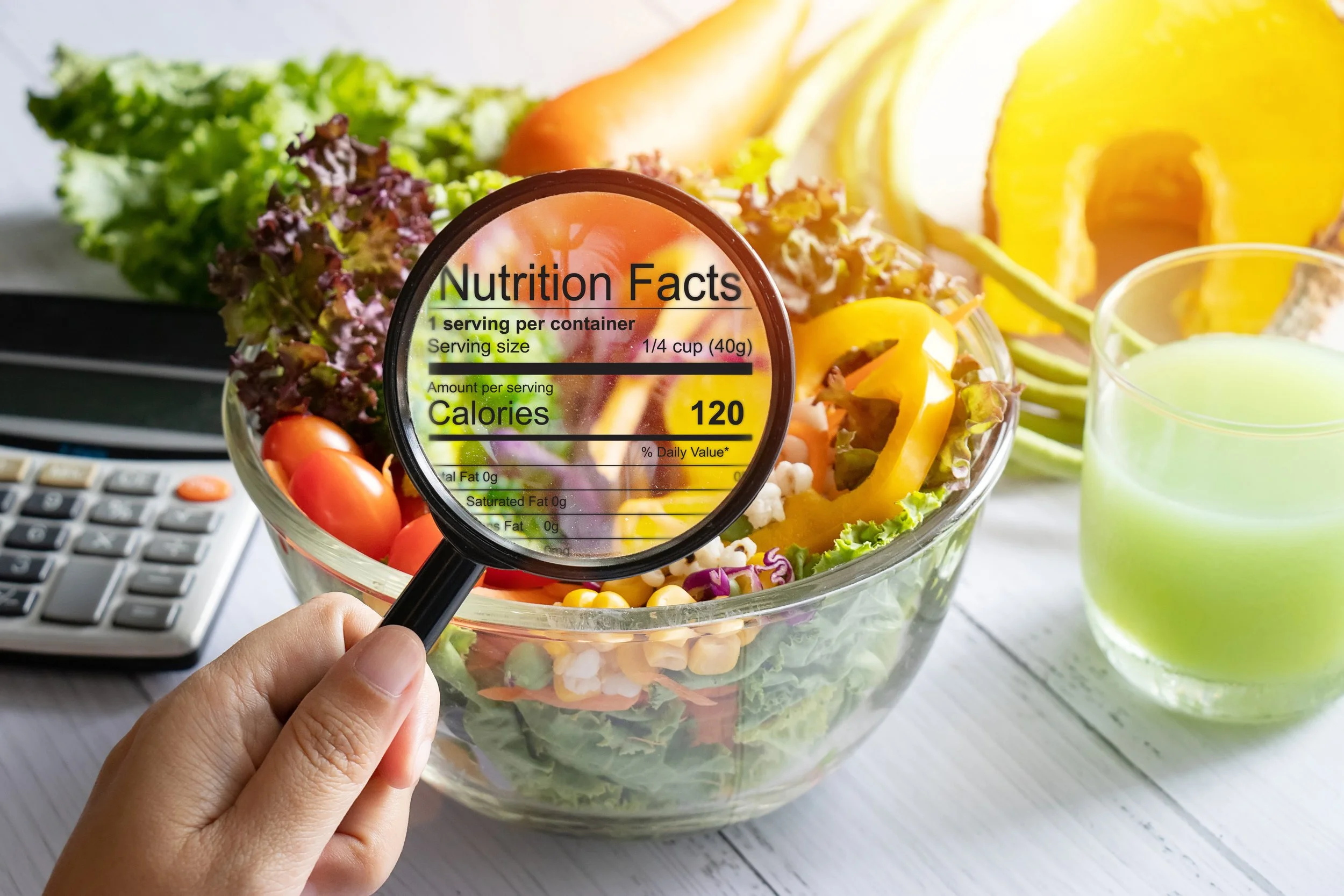
If we value our health, we must aim for a diet that is both adequate and well balanced—easier said than done. Many people associate the word diet with restriction, deprivation, or the joyless removal of biscuits, yet its true meaning is simply the habitual food and drink of a person. There is no inherent requirement for extremes or exclusion. Unfortunately, conflicting messages from social media, advertising, and popular culture have made it increasingly difficult to separate evidence-based guidance from nutritional fiction, turning food into a source of stress rather than enjoyment. Current nutritional consensus supports flexible, sustainable eating patterns that prioritise nutrient density, balance, and consistency over rigid rules—principles reflected in public health models such as the UK Eatwell Guide (https://www.nhs.uk/live-well/eat-well/food-guidelines-and-food-labels/the-eatwell-guide/).
Hey, get up!
Evolutionarily speaking, we are masterpiece machines designed for movement. Our ancestors spent their days walking, climbing, squatting, and reaching.
The Sitting Epidemic: Why Your Chair Might Be Your Toughest Opponent
Let’s be honest: most of us spend our lives in a series of chairs. We sit to eat breakfast, sit during the commute, sit for eight hours at a desk, and then "relax" by sitting on the couch to watch TV.
While it feels natural in the moment, our bodies are actually screaming for a change. Here is the cold, hard truth: Humans weren't built to be sedentary.
Biological Design vs. Modern Reality
Evolutionarily speaking, we are masterpiece machines designed for movement. Our ancestors spent their days walking, climbing, squatting, and reaching.
Circulation: Our blood flow relies on muscle contraction—especially in the legs—to help pump blood back up to the heart.
Metabolism: When you sit for long periods, your body’s ability to break down fats and sugars plummets. The enzyme lipoprotein lipase, which captures fat from the blood, drops significantly when you’re inactive.
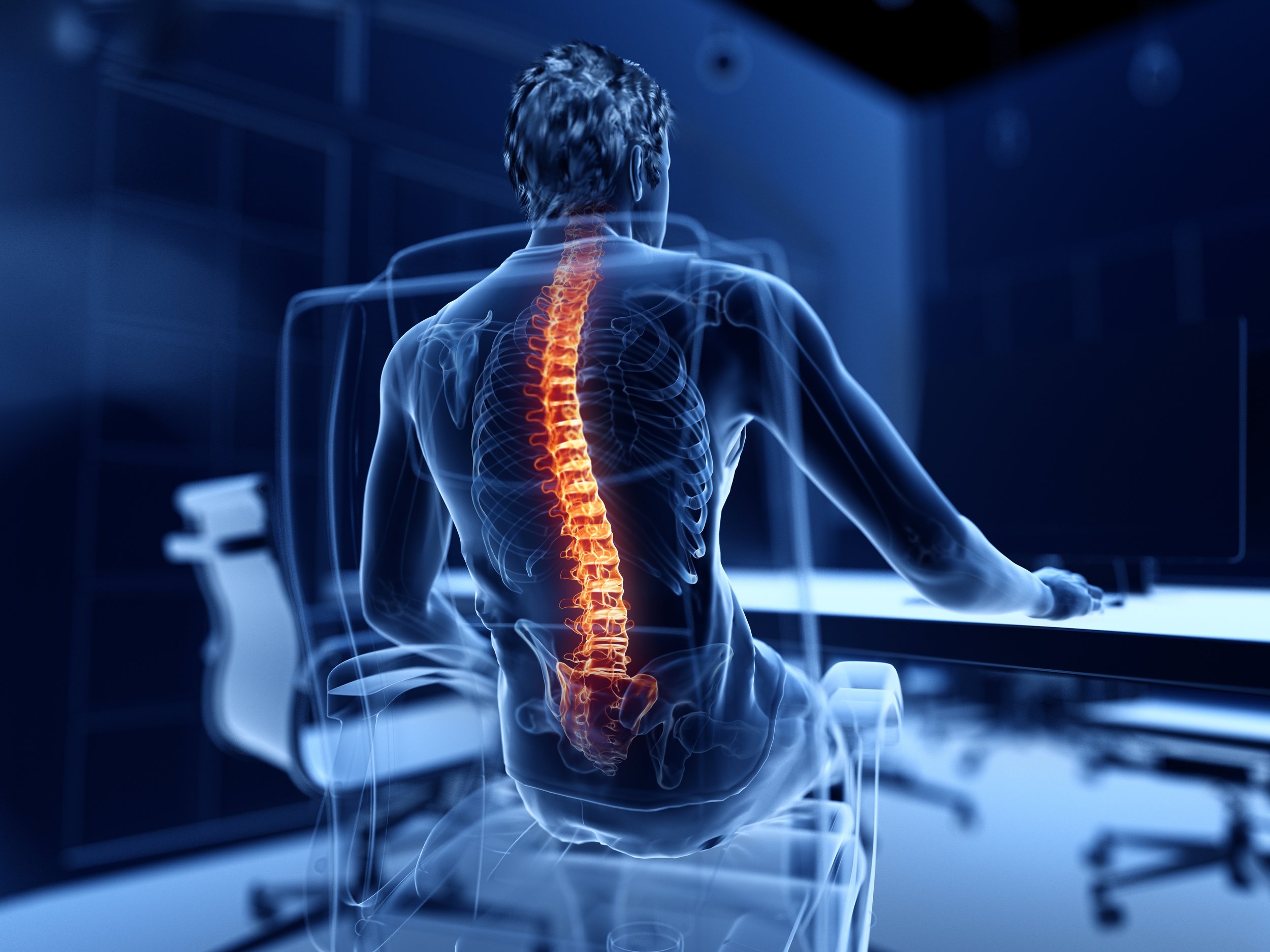
Structural Integrity: Our spines are designed for a neutral "S" curve. Prolonged sitting often leads to the "C" slouch, putting immense pressure on spinal discs and tightening hip flexors until they’re as stiff as a board.
The Verdict: Sitting isn't just "resting"; for your body, it's a state of metabolic standby that can lead to increased risks of heart disease, type 2 diabetes, and chronic back pain.

How to Reclaim Your Health (At Work)
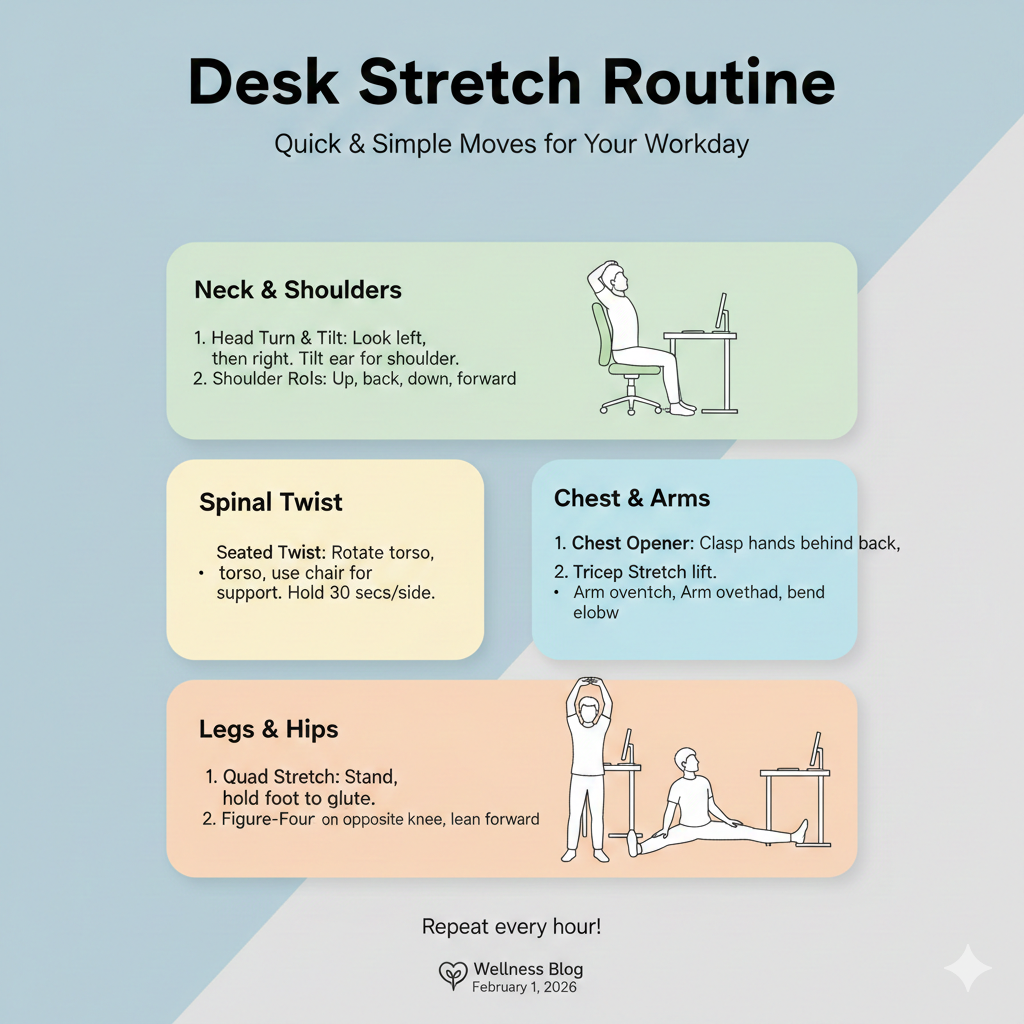
You don’t have to quit your office job to save your spine. It’s about micro-movements and intentional shifts.
The 30/2 Rule: For every 30 minutes of sitting, stand up and move for at least 2 minutes. Even a quick stretch or a lap around the room "wakes up" your enzymes.
Standing Desks: If possible, switch to a sit-stand converter. The goal isn't to stand all day (which has its own set of issues), but to alternate frequently.
The "Phone Walk": Make it a personal rule that if you are on a voice call, you must be standing or pacing.
Optimize Your Ergonomics: Ensure your monitor is at eye level so you aren't "turtling" your neck forward.
Staying Active (At Home)
Home is where we often let our guard down, but it’s the best place to build better habits.
Commercial Break Sprints: If you’re watching TV, use the ad breaks (or the "Next Episode" countdown) to do one set of squats, planks, or lunges.
Floor Seating: Try sitting on the floor while scrolling on your phone or reading. This forces your "stabilizer muscles" to engage and encourages you to shift positions more often than a soft sofa does.
The "Chore Sprint": Instead of doing all your housework in one giant Saturday block, do one 5-minute task (unloading the dishwasher, taking out the trash) every hour you spend on the couch.
Small Changes, Big Impact
You don't need to run a marathon to undo the damage of a workday. The goal is simply to interrupt the stillness. By treating movement as a snack—small, frequent, and necessary—you align your lifestyle with the way your body was actually designed to function.

are you eating C.R.A.P FOODS
In a world saturated with convenience and highly marketed snacks, navigating the food landscape can feel overwhelming. Nutritionists and health advocates often use a simple, memorable acronym to help people identify the worst offenders in the modern diet: C.R.A.P.
The C.R.A.P. Test: Understanding the Foods You Should Avoid
In a world saturated with convenience and highly marketed snacks, navigating the food landscape can feel overwhelming. Nutritionists and health advocates often use a simple, memorable acronym to help people identify the worst offenders in the modern diet: C.R.A.P.
This acronym isn't just a catchy phrase; it’s a powerful mnemonic that encapsulates the four major categories of food items that should be minimised or eliminated for optimal health. Understanding what each letter stands for is the first step in cleaning up your diet and moving toward whole, nutrient-dense foods. C is for Carbonated Drinks
The "C" stands for carbonated drinks—the sodas, sparkling fruit juices, and energy drinks that flood store shelves. While some may not contain high-fructose corn syrup, the primary issue with most carbonated beverages is the sheer volume of liquid sugar they deliver in a single serving. This rush of sugar spikes blood glucose levels, leading to insulin resistance over time, which is a precursor to type 2 diabetes and chronic inflammation. Even diet sodas, with their artificial sweeteners, are problematic, as research suggests they can negatively impact gut bacteria and still contribute to weight gain. Water, unsweetened tea, or naturally flavoured sparkling water are always the better choice.R is for Refined Sugars and Flours
Refined foods have had their natural fibre and nutritional components stripped away, leaving behind a highly concentrated source of calories with little nutritional value. This category includes white flour used in pastries, white bread, and many packaged goods, as well as all forms of added sugar, such as table sugar, corn syrup, and dextrose. When you consume refined carbohydrates, your body processes them quickly, similar to carbonated drinks, leading to rapid blood sugar fluctuations. This rollercoaster effect leaves you feeling hungry again shortly after eating, perpetuating a cycle of overconsumption and weight gain. Choosing whole-grain options, fruits, and vegetables provides essential fiber that slows digestion and stabilizes energy levels.A is for Artificial Ingredients
The "A" refers to artificial ingredients, which cover a wide range of chemical additives, including artificial colors, flavors, and preservatives. These man-made substances are added to foods primarily to enhance their appearance, extend their shelf life, or make them taste better than their nutrient-poor composition would allow. While many of these additives are deemed safe by regulatory bodies, a growing number of studies suggest potential links between certain artificial ingredients and hyperactivity in children, allergic reactions, and other adverse health effects. When reading a food label, if an ingredient name is unfamiliar or sounds like it belongs in a chemistry lab, it’s best to put the product back on the shelf.P is for Processed Foods

Finally, "P" is for processed foods—a broad category that includes anything significantly altered from its original, natural state. This means more than just a quick chop or mild pasteurization. We are talking about heavily processed, ready-to-eat meals, chips, breakfast cereals, and snack bars. These items are typically loaded with the other three C.R.A.P. ingredients: they often have refined fats, high sugar content, and a host of artificial additives. The heavy processing destroys naturally occurring vitamins and minerals, meaning these foods provide "empty calories" that contribute to energy crashes and long-term nutrient deficiencies.Moving Beyond C.R.A.P.
The C.R.A.P. acronym offers a simple, actionable filter for your daily diet. By focusing on avoiding carbonated drinks, refined sugars and flours, artificial ingredients, and heavily processed foods, you naturally make room for whole, real foods like vegetables, fruits, lean proteins, and healthy fats. This simple shift is often the most profound change an individual can make for improving their health, energy, and overall well-being.


Kettlebells & mobility
One of the biggest mobility challenges is stiff hips and shoulders — usually caused by long hours sitting, driving, or staring heroically at a screen.
Why Kettlebells Are a Game-Changer for Mobility After 40
As we move into our 40s and beyond, mobility quietly becomes one of the most important — and most neglected — aspects of health and fitness. Strength still matters, cardio still matters, but mobility is what allows you to enjoy the strength and stamina you’ve worked hard to build. This is where kettlebells truly shine. They are not just lumps of iron with handles; they are one of the most effective tools for improving mobility, flexibility, and overall movement quality as we age.
Unlike traditional gym machines that lock you into fixed movement patterns, kettlebells encourage natural, multi-joint movements. Exercises such as swings, goblet squats, Turkish get-ups, and windmills require your hips, shoulders, spine, and core to work together. This integrated approach improves joint range of motion while reinforcing strength and control through that range, which is exactly what mobility should be. In simple terms, kettlebells teach your body to move better, not just lift heavier.

One of the biggest mobility challenges after 40 is stiff hips and shoulders — usually caused by long hours sitting, driving, or staring heroically at a screen. Kettlebell training directly addresses this. The swinging motion opens up the hips while strengthening the glutes and hamstrings, helping restore a powerful and fluid hip hinge. Overhead kettlebell work improves shoulder stability and thoracic spine mobility, which is essential for posture, pain-free movement, and keeping your shoulders working well for years to come.
Another major benefit is core mobility and strength. Kettlebells demand constant core engagement, particularly during unilateral (one-sided) exercises. This improves rotational strength and spinal control, which often decline with age and are key factors in preventing back pain. A stronger, more mobile core means everyday tasks — lifting shopping bags, playing with kids, or twisting to reverse the car — feel easier and safer.
The real win, however, is how improved mobility enhances daily life. Life is simply better when you can move freely. Better mobility means less stiffness in the morning, fewer aches after long walks, and more confidence in your body’s capabilities. It means staying active in the activities you enjoy — whether that’s travelling, hiking, paddle boarding, or just getting off the sofa without sounding like bubble wrap. Flexibility and mobility aren’t about becoming a yoga pretzel; they’re about freedom, independence, and longevity.
Kettlebells are also time-efficient and adaptable. A well-designed session can improve strength, mobility, and cardiovascular fitness all at once, making them ideal for busy professionals who want maximum return on effort. And because kettlebells can be scaled easily, they’re suitable whether you’re new to training or highly experienced.
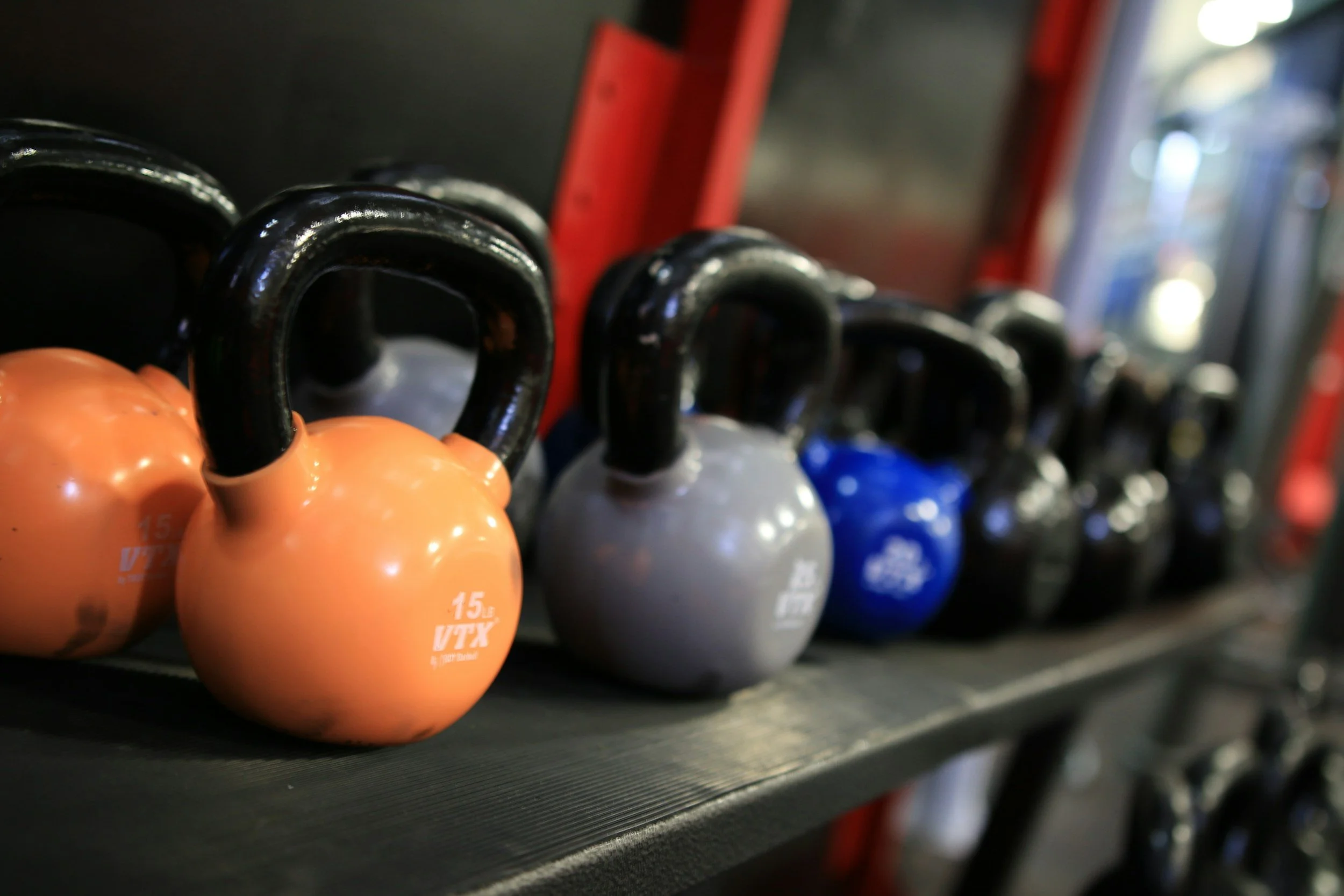
In your 40s and upwards, mobility isn’t optional — it’s essential. Kettlebells offer a practical, effective, and surprisingly enjoyable way to keep your body moving well for the long haul. Train for movement, not just muscle, and future you will be extremely grateful — possibly enough to buy you a drink.

B.M.I Limitations
The Body Mass Index (BMI) has long been used as a quick and easy way to assess an individual’s health based on their weight in relation to their height. However, while it may offer a broad snapshot, BMI alone is a highly flawed measurement that can often be misleading.
Why BMI Alone is a Misleading Measurement, but Still Has a Place in Health Assessment
The Body Mass Index (BMI) has long been used as a quick and easy way to assess an individual’s health based on their weight in relation to their height. However, while it may offer a broad snapshot, BMI alone is a highly flawed measurement that can often be misleading. When combined with other health indicators, though, it can still provide some useful insights. Here’s why BMI shouldn’t be used in isolation and how it can be supplemented for a more accurate picture of overall health.

The Flaws of BMI
1. It Ignores Body Composition
One of the biggest issues with BMI is that it does not distinguish between fat mass and muscle mass. A highly muscular individual, such as a rugby player or bodybuilder, may have a BMI that categorizes them as overweight or even obese despite having a low body fat percentage and being in excellent health. Conversely, a person with a "normal" BMI might have a high body fat percentage and low muscle mass, putting them at risk for health issues.
2. It Does Not Account for Fat Distribution
Where body fat is stored is just as important as how much there is. BMI does not differentiate between visceral fat (fat around the organs, which is more dangerous) and subcutaneous fat (fat under the skin). Someone with a healthy BMI but a high amount of visceral fat could be at greater risk for cardiovascular disease than someone with a higher BMI but less visceral fat.
3. It Overlooks Age and Gender Differences
As we age, body composition naturally changes. Muscle mass tends to decrease, and fat mass increases, yet BMI does not take this into account. Similarly, men and women have different body fat distributions and muscle-to-fat ratios, but BMI applies the same measurement criteria to both.
4. It Doesn’t Consider Overall Health
Health is more than just weight relative to height. A person with a high BMI might have excellent cardiovascular fitness, strong metabolic health, and no underlying health issues, while someone with a lower BMI might suffer from chronic illnesses. Simply categorizing individuals based on a single number disregards these important factors.
What Should Be Measured Alongside BMI?
While BMI alone is not a reliable indicator of health, it can be useful when combined with other measurements. Some key additional assessments include:
Body Fat Percentage: A much better indicator of whether someone is carrying excess fat rather than lean muscle mass.
Waist-to-Hip Ratio: Provides insight into fat distribution and the risk of metabolic conditions.
Waist-to-Height Ratio: A good predictor of cardiovascular disease risk.
Blood Pressure: High blood pressure can indicate potential health risks, regardless of BMI.
Cholesterol and Blood Sugar Levels: These biomarkers provide deeper insight into metabolic health and disease risk.
Physical Fitness Tests: Strength, endurance, flexibility, and overall cardiovascular fitness are better indicators of health than weight alone.
The Verdict: Use BMI Wisely
BMI is not completely useless—it provides a simple, quick screening tool that can highlight potential health concerns. However, it should never be used in isolation. When combined with other measurements, it can help provide a clearer and more meaningful picture of an individual’s overall health.
For personal trainers, doctors, and individuals looking to assess health accurately, the key is to use BMI as just one piece of the puzzle rather than the entire picture. A holistic approach that considers body composition, fat distribution, metabolic health, and fitness levels will always be superior to a single number on a chart.

What version of the FGF21 gene do you carry?
The relationship between FGF21, dietary fat intake, and type 2 diabetes highlights the complexity of metabolism and the potential for tailored nutritional strategies.
If it’s not personalised, it’s not effective, and whether you hardly lose any fat on low-carb diets may have a genetic explanation after all!
What is the FGF21 Gene?
FGF21 is a hormone primarily produced in the liver that regulates energy balance, glucose metabolism, and insulin sensitivity. It acts as a metabolic messenger, influencing appetite, fat oxidation, and even food preferences. Genetic variations in FGF21 can alter its activity, affecting how efficiently the body processes dietary fat and glucose.
FGF21 Gene: The Link Between Dietary Fat and Type 2 Diabetes
The fibroblast growth factor 21 (FGF21) gene has emerged as a key player in metabolism, influencing how the body processes different macronutrients, particularly fats. Research has shown that variations in the FGF21 gene can affect how individuals respond to low- and high-fat diets, with significant implications for metabolic health and type 2 diabetes risk.

FGF21 and Dietary Fat: A Genetic Interaction
Studies suggest that individuals with certain genetic variants of the FGF21 gene may have distinct metabolic responses to dietary fat intake:
Low-Fat Diets: People with specific FGF21 variations tend to have improved insulin sensitivity and better glucose regulation when consuming a low-fat diet. This suggests that a diet lower in fat may be particularly beneficial for those genetically predisposed to insulin resistance.
High-Fat Diets: In contrast, some FGF21 variants are associated with a reduced ability to process dietary fat efficiently. When individuals with these variants consume a high-fat diet, they may experience increased fat accumulation, worsened insulin sensitivity, and higher blood glucose levels. This can contribute to greater risk of type 2 diabetes over time.
FGF21 and Type 2 Diabetes Risk
FGF21 plays a direct role in glucose metabolism, making it highly relevant to type 2 diabetes. Here’s how:
Regulation of Blood Sugar: FGF21 enhances insulin sensitivity, helping the body utilize glucose more effectively. Certain genetic variations can impair this function, increasing diabetes risk.
Fat Distribution: FGF21 influences fat storage and usage. Variants that reduce FGF21 activity can lead to increased visceral fat, a known risk factor for type 2 diabetes.
Dietary Preferences: Some studies suggest that FGF21 variants may influence cravings for sugary and high-carbohydrate foods, which can exacerbate metabolic disorders.
Personalized Nutrition and Future Implications
Understanding the role of FGF21 in metabolism could pave the way for personalized dietary recommendations to prevent or manage type 2 diabetes. Genetic testing may help identify individuals who would benefit from specific dietary interventions, such as lower-fat or balanced-fat diets, to optimize their metabolic health.
As research continues, targeting FGF21 with diet or even pharmacological interventions could become a promising approach to managing obesity and diabetes more effectively.
Conclusion
The relationship between FGF21, dietary fat intake, and type 2 diabetes highlights the complexity of metabolism and the potential for tailored nutritional strategies. For those with genetic predispositions affecting FGF21 function, dietary choices could play a crucial role in preventing metabolic diseases. Future advancements in nutrigenomics may allow for more precise dietary recommendations based on individual genetic profiles, ultimately improving health outcomes.

what are the risks of taking to many vitamins and minerals ?
Taking too many vitamins and minerals—also known as vitamin toxicity or mineral overdose—can have serious effects on your body, particularly on your liver and kidneys, which are responsible for processing and eliminating excess nutrients.
Taking too many vitamins and minerals—also known as vitamin toxicity or mineral overdose—can have serious effects on your body, particularly on your liver and kidneys, which are responsible for processing and eliminating excess nutrients.
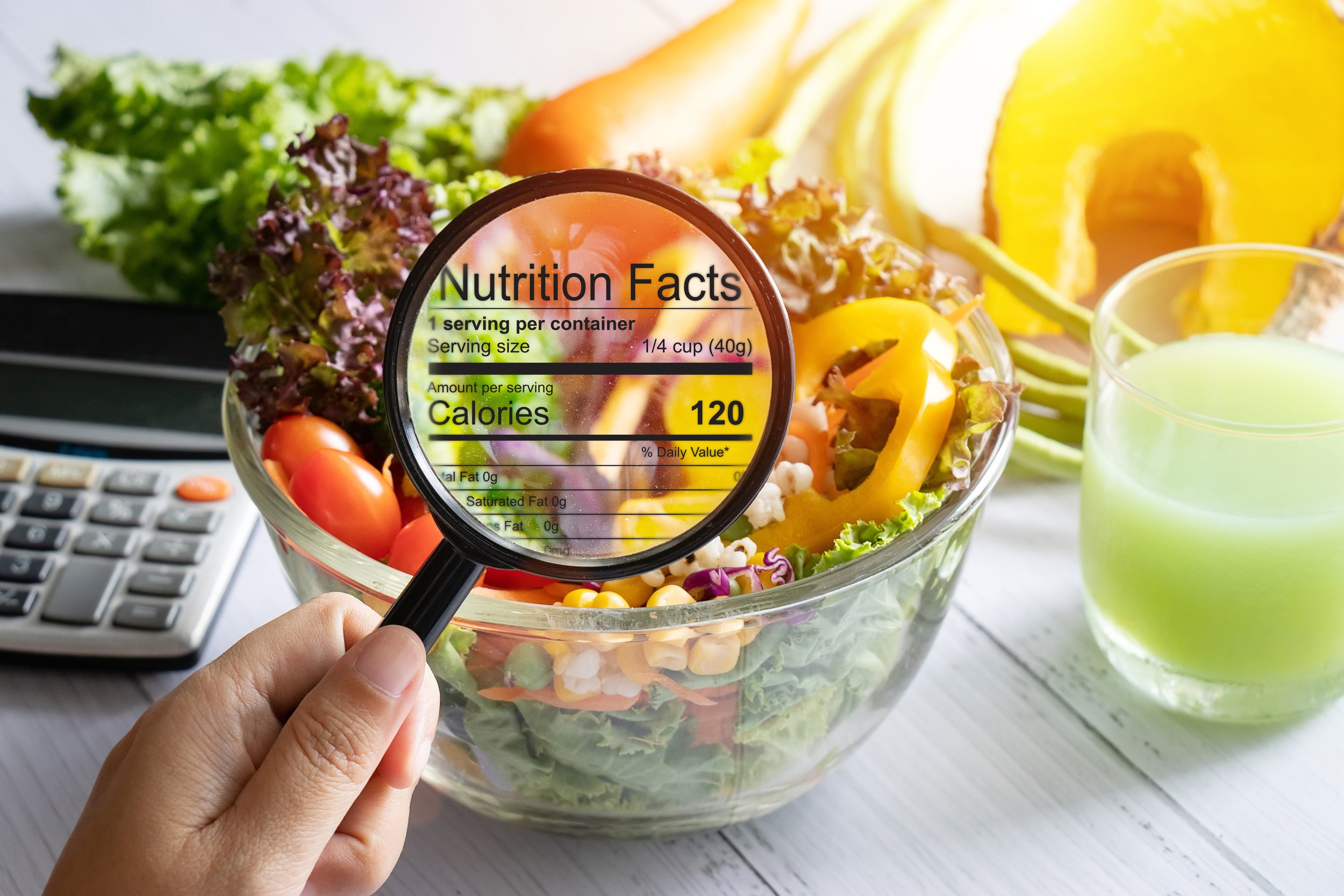
General Effects of Overdosing on Vitamins and Minerals:
Fat-Soluble Vitamins (A, D, E, K)
These are stored in fat and accumulate in the body, making overdose more dangerous.
Vitamin A toxicity can cause liver damage, dizziness, nausea, and even birth defects in pregnant women.
Vitamin D overdose leads to calcium buildup (hypercalcemia), which can cause kidney stones and kidney failure.
Excessive Vitamin E may increase bleeding risk by interfering with blood clotting.
Too much Vitamin K can interfere with blood thinning medications.
Water-Soluble Vitamins (B, C)
Generally, the body flushes out excess amounts in urine, but very high doses can still be harmful.
Excess Vitamin C can lead to kidney stones and gastrointestinal issues.
Too much Vitamin B6 can cause nerve damage over time.
Excess Niacin (B3) can lead to liver toxicity, especially in supplement form.
Minerals (Iron, Calcium, Magnesium, Zinc, etc.)
Iron overload can cause severe liver damage, gastrointestinal issues, and organ failure.
Too much calcium can contribute to kidney stones and weaken kidney function.
Excess magnesium (usually from supplements, not food) can cause diarrhea and, in extreme cases, heart problems.
Too much zinc can suppress immune function and deplete copper levels, leading to anemia.
Impact on Liver and Kidneys:
Liver: The liver processes fat-soluble vitamins and minerals. Overdosing on Vitamin A, iron, or niacin can lead to liver inflammation, scarring (cirrhosis), or failure.
Kidneys: The kidneys filter out excess vitamins and minerals. Too much Vitamin D, calcium, or vitamin C can lead to kidney stones or renal failure due to excessive strain.
Final Advice:
Stick to recommended daily allowances (RDAs) unless advised otherwise by a doctor. If you're taking supplements, be cautious of megadoses, as your body may struggle to process excess nutrients safely.
If you suspect vitamin toxicity, consult a doctor immediately—especially if you experience nausea, weakness, severe fatigue, or changes in urination patterns.

weight loss drugs & alcohol consumption
Recent research indicates that GLP-1 receptor agonists, such as Ozempic (semaglutide), commonly prescribed for type 2 diabetes and weight management, may also reduce alcohol consumption.
Training a client the other day, we got on the subject of Ozempic and its effect on alcohol consumption in the US. Is it the case that you've lost weight and want to maintain your fitness and health as part of your new lifestyle so your cutting down your alcohol intake? or is it something in the drug its self, similar to Zyban, a drug used to help with depression and a side effect that it helps people quit smoking? Here are a few articles I have found.

Recent research indicates that GLP-1 receptor agonists, such as Ozempic (semaglutide), commonly prescribed for type 2 diabetes and weight management, may also reduce alcohol consumption. A study published in JAMA Psychiatryhighlighted that preclinical trials in rodents and monkeys, along with human case reports, demonstrated that GLP-1 agonists can decrease alcohol intake.
Building on these findings, Novo Nordisk, the manufacturer of Ozempic, announced plans to investigate the drug's effects on alcohol consumption, although their primary focus remains on metabolic conditions.
The potential of these medications to curb alcohol cravings has garnered attention beyond the medical community. Notably, investor Terry Smith divested from Diageo, a leading spirits producer, citing concerns that the rising use of weight-loss drugs like Ozempic could negatively impact alcohol demand.
While these developments are promising, it's essential to recognise that the research is still in its early stages. Further studies are necessary to fully understand the implications of GLP-1 agonists on alcohol consumption and their potential role in treating alcohol use disorders.

The Power of Habits: Your Gateway to Gym Success
Starting a fitness journey isn’t just about motivation - it’s about creating sustainable habits that transform your lifestyle. Habits are the invisible architecture of personal change, especially when it comes to regular exercise.
Why Habits Matter in Fitness Transformation
Starting a fitness journey isn’t just about motivation - it’s about creating sustainable habits that transform your lifestyle. Habits are the invisible architecture of personal change, especially when it comes to regular exercise.
The Psychology Behind Gym Habits
Why Willpower Alone Doesn’t Work
Most people fail at fitness goals because they rely solely on willpower. Willpower is a finite resource that depletes quickly. Habits, however, are automatic behaviors that require minimal mental energy. When going to the gym becomes a habit, you’re no longer fighting internal resistance - you’re simply following your established routine.
5 ideas that will help you along the way
Create a Consistent Schedule Make a specific time for gym visits that fits your daily routine.
Choose a time you can consistently commit to, whether it’s first thing in the morning or right after work. Treat your gym time like an important appointment on your daily to-do list.
Start Small and Simple Begin with manageable workout goals that aren’t overwhelming.
Use the 2-Minute Rule focus on just getting started, even if it’s something as simple as putting on your gym clothes or walking into the gym. Start with short 10-20 minute sessions and gradually increase intensity and duration as you build the habit.
Prepare in Advance Reduce barriers to going to the gym by preparing the night before:
• Lay out your gym clothes the previous evening
• Pack your gym bag ahead of time
• Prepare a water bottle and post-workout snack
• Set out your workout shoes in a visible place
Use Motivational Strategies
• Create an inspiring workout playlist
• Set realistic and achievable fitness goals
• Find exercises you genuinely enjoy
• Consider finding a workout partner for accountability
Focus on Immediate Rewards Appreciate the immediate benefits of exercise, such as:
• The endorphin rush after working out
• Feeling of accomplishment
• Improved mood
• Increased energy levels
Remember, building a gym habit takes time and patience. Be kind to yourself and focus on consistency rather than perfection.

Chocolate & type ii diabetes
The Sweet Truth: Dark Chocolate and Type 2 DiabetesDark chocolate, often considered a guilty pleasure, may actually offer significant health benefits, particularly for those at risk of or managing type 2 diabetes. Recent studies have shed light on the potential protective effects of this delectable treat.
The Diabetes-Chocolate Connection
A groundbreaking study published in the BMJ in December 2024 has revealed a surprising link between dark chocolate consumption and reduced risk of type 2 diabetes. Led by Binkai Liu, a doctoral student at Harvard T.H. Chan School of Public Health, the research found that participants who consumed at least five servings of dark chocolate per week had a remarkable 21% lower risk of developing type 2 diabetes
Liu states, "Our findings suggest that not all chocolate is created equal. For anyone who loves chocolate, this is a reminder that making small choices, like choosing dark chocolate over milk chocolate, can make a positive difference to their health"

The Science Behind the Sweet
The health benefits of dark chocolate are primarily attributed to its high content of flavanols, a type of polyphenol with powerful antioxidant properties. These compounds have been shown to:
Improve insulin sensitivity
Lower blood pressure
Reduce inflammation
Dr. Giulio Romeo, a physician at Brigham and Women's Hospital and instructor at Harvard Medical School, explains, "Flavonoids appear to improve insulin sensitivity by enhancing endothelial function, reducing oxidative stress, and regulating glucose metabolism"
Not All Chocolate is Created Equal
It's crucial to note that these benefits are specific to dark chocolate, not milk chocolate. The study found no significant association between milk chocolate intake and type 2 diabetes risk. In fact, increasing milk chocolate consumption was linked to weight gain, a known risk factor for diabetes
Moderation is Key
While the news is encouraging for chocolate lovers, experts emphasize the importance of moderation. Kristi Crowe-White, an associate professor and department chair of nutrition at The University of Alabama, advises, "True dark chocolate with at least 70% cocoa content is higher in antioxidants and lower in sugar compared to other forms of chocolate"
Beyond Diabetes
The benefits of dark chocolate extend beyond diabetes prevention. Research has shown that it may also:
Increase heart health by lowering blood pressure and reducing the risk of clotting
Balance the immune system by reducing oxidative stress
Improve brain function
Conclusion
While dark chocolate shows promise in reducing the risk of type 2 diabetes, it's not a magic bullet. A balanced diet, regular exercise, and maintaining a healthy weight remain the cornerstones of diabetes prevention and management. However, for those looking to indulge their sweet tooth, choosing a square of dark chocolate might just be a step towards better health. Remember, when it comes to dark chocolate and health, quality matters. Opt for varieties with high cocoa content and minimal added sugars to reap the most benefits.

cycling fitness
Staying fit for a long bike ride is not only beneficial but essential for any cyclist looking to tackle extended distances. Proper preparation and targeted exercises can significantly enhance your performance, comfort, and enjoyment on the bike. Let's explore why maintaining fitness is crucial and which exercises you should focus on to prepare for those long rides.
Staying fit for a long bike ride is not only beneficial but essential for any cyclist looking to tackle extended distances. Proper preparation and targeted exercises can significantly enhance your performance, comfort, and enjoyment on the bike. Let's explore why maintaining fitness is crucial and which exercises you should focus on to prepare for those long rides.
Benefits of Staying Fit for Long Bike Rides
Improved Endurance
Building and maintaining fitness specifically for long bike rides directly translates to improved endurance on the road. As you train, your body becomes more efficient at utilizing oxygen and energy, allowing you to ride longer distances with less fatigue.
This increased stamina means you can enjoy your rides more, push yourself further, and recover faster.
Enhanced Performance
A well-prepared cyclist is a stronger cyclist. By staying fit, you'll be able to maintain higher speeds for longer periods, tackle challenging terrains with greater ease, and have more power available when you need it most, such as during climbs or sprints.
Injury Prevention
Proper fitness training helps strengthen the muscles, tendons, and ligaments used in cycling. This increased strength and flexibility can significantly reduce the risk of overuse injuries and improve your overall cycling form.
Mental Toughness
Long-distance cycling isn't just a physical challenge; it's a mental one too. Regular training builds mental resilience, helping you push through tough sections of your ride and maintain focus over extended periods.

Yes I know its an old photo.
Key Exercises for Long-Distance Cycling
To prepare for long bike rides, it's essential to incorporate a mix of on-bike training and off-bike exercises. Here are some key areas to focus on:
On-Bike Training
Endurance Rides
Gradually increase the duration of your weekend rides by 20-30 minutes each time. These longer, steady-state rides build your aerobic base and train your body to efficiently use energy over extended periods.
Tempo Rides
Incorporate tempo or sweetspot training into your routine. Ride at 76-90% of your threshold power or 75-85% of your threshold heart rate for intervals of 20-30 minutes. These sessions improve your endurance while also boosting your power output
Strength Training
Squats
Squats target your legs comprehensively, working your quads, glutes, and hamstrings - all crucial power providers on the bike. Variations like dumbbell goblet squats or front squats are excellent options
Lunges
Lunges are cycling-specific as they work one leg at a time, targeting your quadriceps, hips, and hamstrings. They help improve leg strength and stability.
Deadlifts
Deadlifts, particularly single-leg variations, strengthen your posterior chain, including your glutes, hamstrings, and lower back. This exercise is crucial for powerful pedaling, especially when climbing
Core Strengthening
Planks
Planks and their variations are excellent for building core strength, which is essential for maintaining proper posture and efficiency on long rides
Bird Dog
This exercise improves core stability and helps with balance, both of which are crucial for endurance cycling
Flexibility and Mobility
Hip Flexor Stretch
Cycling can lead to tight hip flexors. Regular stretching helps maintain flexibility and prevent discomfort on long rides
Hamstring Stretch
Keeping your hamstrings flexible is crucial for maintaining an efficient pedal stroke and preventing lower back pain
By incorporating these exercises into your training regimen, you'll be well-prepared for the challenges of long-distance cycling. Remember to build up gradually, listen to your body, and maintain consistency in your training. With dedication and the right approach, you'll be ready to tackle those epic rides with confidence and enjoyment.

lower back pain stretches & exercise
Lower back pain can stem from various causes, including poor posture, muscle strain, herniated discs, or underlying medical conditions
Having just pulled my back while moving furniture around in the spare I thought I would do a blog on why its so important to look after your back and what you can do if you have pulled something.
Lower back pain is a common issue that affects millions of people worldwide. Whether you're dealing with chronic discomfort, occasional twinges, or recovering from an injury, incorporating targeted exercises and stretches into your routine can significantly improve your condition. Let's explore some effective ways to alleviate lower back pain and strengthen your core muscles.
Understanding Lower Back Pain
Lower back pain can stem from various causes, including poor posture, muscle strain, herniated discs, or underlying medical conditions
While it's always advisable to consult a healthcare professional for persistent or severe pain, many cases of lower back discomfort can be managed and improved through regular exercise and stretching.

Beneficial Exercises for Lower Back Pain
1. Knee to Chest Stretch
This simple stretch helps relax your lower back muscles and improve flexibility:
Lie on your back with your knees bent and feet flat on the floor.
Gently pull one knee towards your chest, holding for 5 seconds.
Return to the starting position and repeat with the other leg.
Perform this stretch 2-3 times for each leg, up to 3 times daily
2. Lower Back Rotation
This exercise gently rotates your lumbar spine, promoting flexibility:
Lie on your back with knees bent and feet flat on the ground.
Keeping your shoulders on the floor, slowly rotate your knees to one side.
Hold for 5-10 seconds, then return to the starting position.
Repeat on the other side, performing 2-3 sets daily
3. Cat-Cow Stretch
This yoga-inspired movement helps improve spine flexibility:
Start on your hands and knees in a tabletop position.
Inhale, arching your back and lifting your head (Cow pose).
Exhale, rounding your spine and tucking your chin (Cat pose).
Repeat this sequence 20 times, up to 3 times a day
4. Pelvic Tilts
This exercise strengthens your core and improves lower back stability:
Lie on your back with knees bent and feet flat on the floor.
Tighten your abdominal muscles, pressing your lower back into the floor.
Hold for 5 seconds, then relax.
Perform 30 repetitions, repeating as needed throughout the day
Strengthening Exercises
1. Glute Bridges
This exercise targets your glutes and core muscles:
Lie on your back with your knees bent and feet flat on the floor.
Tighten your abdomen and glutes, lifting your hips off the ground.
Hold the position for 3 deep breaths, then lower back down.
Start with 5 repetitions and gradually increase to 30
2. Bird Dog
This exercise improves core stability and balance:
Start on your hands and knees.
Simultaneously extend your right arm forward and left leg backward.
Hold for a few seconds, then return to the starting position.
Repeat on the opposite side, aiming for 10-15 repetitions per side.
Stretches for Flexibility
1. Child's Pose
This relaxing yoga pose gently stretches the lower back:
Kneel on the floor with your knees apart and toes touching.
Sit back towards your heels and reach your arms forward.
Hold for 30 seconds, repeating 5 times per session, up to 3 times daily
2. Hamstring Stretch
Tight hamstrings can contribute to lower back pain:
Lie on your back and lift one leg, keeping it as straight as possible.
Hold behind your thigh or use a strap around your foot.
Hold for 30 seconds, then switch legs.
Repeat 2-3 times on each side
Conclusion
Incorporating these exercises and stretches into your daily routine can significantly improve lower back pain and overall spinal health. Remember to start slowly, listen to your body, and consult a healthcare professional if you experience persistent or worsening pain. With consistency and proper form, you'll be on your way to a stronger, more flexible lower back.
For a free consultation get in touch.

New whats-app channel
In today’s world, misinformation about health and fitness is rampant. Following my WhatsApp channel ensures that you receive accurate and reliable information. This is essential for making informed decisions about your health and fitness goals.
I'm excited to announce the launch of my new WhatsApp channel, dedicated to keeping you updated with the latest health and fitness news! This channel is designed to provide you with valuable insights, tips, and trends in the fitness world, all delivered straight to your mobile device.
Why Follow My WhatsApp Channel?
Stay Informed: In the fast-paced world of health and fitness, staying updated is crucial. My WhatsApp channel will share the latest research, workout tips, nutrition advice, and motivational content. You'll be among the first to know about new trends and effective strategies that can enhance your fitness journey.
Personalized Content: Unlike generic fitness newsletters, my channel will cater specifically to your interests. Whether you're looking for strength training tips, nutritional advice, or mental wellness strategies, I’ll ensure that the content resonates with your goals.
Community Support: Joining this channel means becoming part of a community focused on health and wellness. You can share your experiences, ask questions, and engage with like-minded individuals who are on similar journeys.
Convenience: With updates sent directly to your phone, you can easily access fitness information anytime, anywhere. This convenience makes it easier for you to integrate new ideas into your daily routine.

Importance of Staying Updated
In today’s world, misinformation about health and fitness is rampant. Following my WhatsApp channel ensures that you receive accurate and reliable information. This is essential for making informed decisions about your health and fitness goals. Moreover, staying updated can significantly enhance your motivation. Regularly receiving fresh content can inspire you to try new workouts or adopt healthier eating habits. It’s all about creating a sustainable lifestyle change rather than a temporary fix. I encourage you to join my WhatsApp channel today! Let’s embark on this journey together towards better health and fitness. Your commitment to following along will empower you with knowledge and support as we navigate this exciting path together!
Many thanks
Gary

white & brown fats, what is the difference?
In summary, while white fat primarily stores energy, brown fat actively burns calories and generates heat.
Brown fat and white fat have several key differences in their structure, function, and effects on the body:
Structure and Composition:
White fat is made up of large lipid droplets that store energy It's composed primarily of fatty acids.
Brown fat contains many small lipid droplets and is packed with iron-rich mitochondria, which give it its brown coluor
Location in the Body:
White fat is typically found in larger amounts around the midriff, thighs, and hips
Brown fat is found in smaller amounts, mainly around the neck, shoulders, spine, kidneys, and heart in adults
Primary Functions:
White fat's main role is to store excess energy as large fat droplets
Brown fat's primary function is to generate heat and regulate body temperature through a process called thermogenesis

Energy Usage:
White fat stores calories
Brown fat burns calories to produce heat, especially when activated by cold temperatures
Metabolic Effects:
Excess white fat, especially around the midsection, is associated with increased risk of diseases like diabetes and heart disease
Brown fat may have protective effects against certain diseases, particularly for people with high amounts of white fat. It can help burn calories and may improve insulin sensitivity
Interaction with the Body:
When the body gets cold, it releases norepinephrine, which activates brown fat .This triggers the mitochondria in brown fat cells to start burning energy and producing heat.
Brown fat can use white fat as a fuel source. When activated (e.g., by exercise or cold exposure), brown fat may burn white fat to assist in heat production.
Brown fat also plays a role in filtering out certain amino acids from the blood, which may help reduce the risk of obesity and diabetes
Potential for Health Interventions:
Researchers are studying ways to increase or activate brown fat as a potential treatment for obesity and related metabolic disorders.
Strategies being explored include cold exposure, exercise, and certain dietary components to potentially increase brown fat activity
In summary, while white fat primarily stores energy, brown fat actively burns calories and generates heat. The interplay between these two types of fat and their effects on metabolism makes brown fat an exciting area of research for potential health interventions.
To book your free consultation click here