getting away for a few days
stepping away for a few days can be one of the most powerful — and underrated — strategies for improving mental health. In everyday life, especially when you are running businesses and supporting others, the mind rarely switches off. Emails, programming, client progress, finances, planning — it all competes for attention. Over time, that constant cognitive load quietly elevates stress hormones and reduces mental clarity. A short break interrupts that cycle. By physically removing yourself from your usual environment, you also give your brain permission to reset. The change of scenery alone signals to your nervous system that it is safe to downshift.
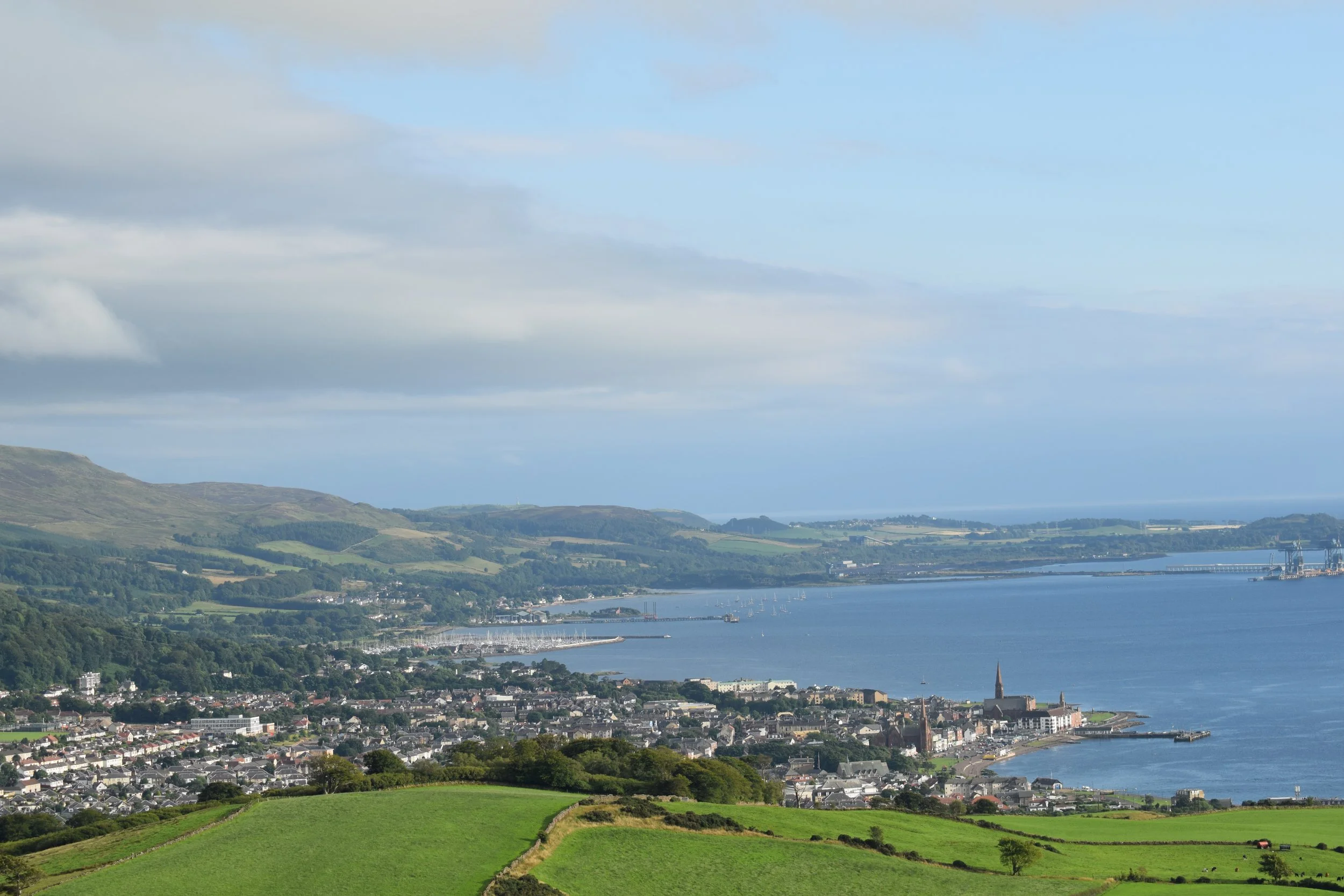
Spending time somewhere coastal adds another layer of benefit. Research consistently shows that natural environments — particularly blue spaces like the sea — reduce cortisol levels, lower heart rate, and improve mood (NHS guidance on stress management: https://www.nhs.uk/mental-health/self-help/guides-tools-and-activities/tips-to-reduce-stress/). The rhythm of waves, fresh sea air, and open horizons create a sense of perspective that is difficult to replicate in a busy town or city. Problems that felt urgent can begin to feel manageable. Ideas that seemed blocked begin to move.
My recent trip with Annalise and Matt is a perfect example of this in action. Rather than stepping away completely from work, we used the change of environment strategically. Brainstorming across three different businesses, my personal training business, lises hypnotherapy business, Matts b2b business and all of our Revive and Thrive business, while in a relaxed setting, allowed conversations to flow more naturally. Without the usual distractions and time pressures, discussions become more expansive. You are not firefighting; we are thinking. That shift alone can transform the quality of decision-making. Often, the best ideas do not emerge when we are grinding through tasks, but when we have space to think laterally.

Time away also strengthens connection. Sharing experiences, meals, and a few laughs creates psychological safety — and that matters when discussing business growth. Laughter, while often underestimated, plays a measurable role in stress reduction by lowering adrenaline and increasing endorphins. In simple terms, it makes collaboration easier and more creative. When people feel relaxed and positive, they are more open to new strategies and more confident in taking calculated risks. It sounds like your trip delivered exactly that blend of productivity and enjoyment.
There is also a longer-term benefit. Returning from a short break often brings renewed focus and sharper priorities. Mental fatigue clouds judgement; rest restores it. You come back not just refreshed, but clearer on what actually matters. For entrepreneurs especially, this clarity can prevent reactive decisions and instead encourage intentional growth. Sometimes the most productive move you can make is to step away briefly so that you can return stronger.
In truth, a few days away is not escapism — it is maintenance. Just as you would programme deload weeks for physical recovery, mental recovery deserves equal structure. The real irony, Gary, is that stepping back can be the fastest way to move forward.